
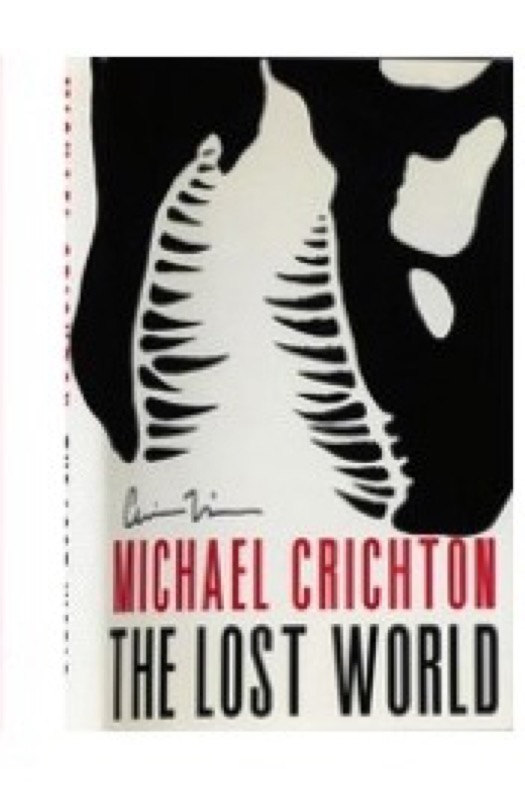
The Lost World
Hook & thesis
Michael Crichton’s The Lost World deftly weaves elements of dark thriller with themes of evolution and human hubris, ultimately questioning the boundaries of science and morality. Verdict: The novel serves as both an exhilarating adventure and a cautionary tale, cleverly showcasing the dangers of humanity’s relentless pursuit of knowledge.
The contextual pivot
Positioned as a sequel to Crichton’s iconic Jurassic Park, The Lost World navigates the treacherous waters of speculative fiction, where the intersection of technology and nature breeds both wonder and peril. Crichton’s work often engages with the consequences of scientific advancement, and here, he continues to explore themes of chaos theory and ethical responsibility. The book appeals to fans of thrillers who appreciate a blend of intellectual inquiry and pulse-pounding action, successfully bridging niche tropes with broader audiences through its accessible yet thought-provoking narrative.
Deep-dive critique
The structure of The Lost World operates through multiple perspectives, allowing readers to witness the evolving dynamics among characters who are often at odds with one another, both intellectually and morally. This segmented narrative enhances the tension, as the plot oscillates between moments of high-stakes action and introspective dialogue. However, the pacing occasionally falters, as certain sections feel bogged down by exposition, diluting the adrenaline that Crichton expertly builds during action sequences.
Character development, particularly in protagonists like Ian Malcolm and Sarah Harding, reveals layers of complexity; they embody the struggle between scientific curiosity and ethical considerations. The dialogue is sharp and often laden with philosophical musings that elevate the narrative beyond mere entertainment, though at times it risks alienating readers seeking a straightforward thriller. World-building is a hallmark of Crichton’s craft; he intricately constructs a vivid landscape of the lost island, yet the reliance on scientific jargon may create a barrier for some readers.
The conclusion of The Lost World is both exhilarating and thought-provoking, effectively tying the plot threads while leaving room for contemplation of the overarching themes. The ethical implications of genetic manipulation and the unpredictability of nature resonate long after the final page.
Discussion launchpad
The tensions between scientific exploration and ethical boundaries could spark lively debate. How does The Lost World reflect current societal attitudes toward technology?
Questions for the room:
- Does the narrative’s tension between science and morality resonate with contemporary ethical dilemmas?
- How do Crichton’s characters embody or challenge these themes?
- In what ways does the pacing impact the overall effectiveness of the thriller elements?
- Is the reliance on scientific terminology a strength or a hindrance to the reader’s engagement?
- How successful is Crichton in creating a sense of suspense without relying on traditional horror tropes?
#LiteraryAnalysis #darkthriller #romanticsuspense #thelostworld #darkheartlabs