
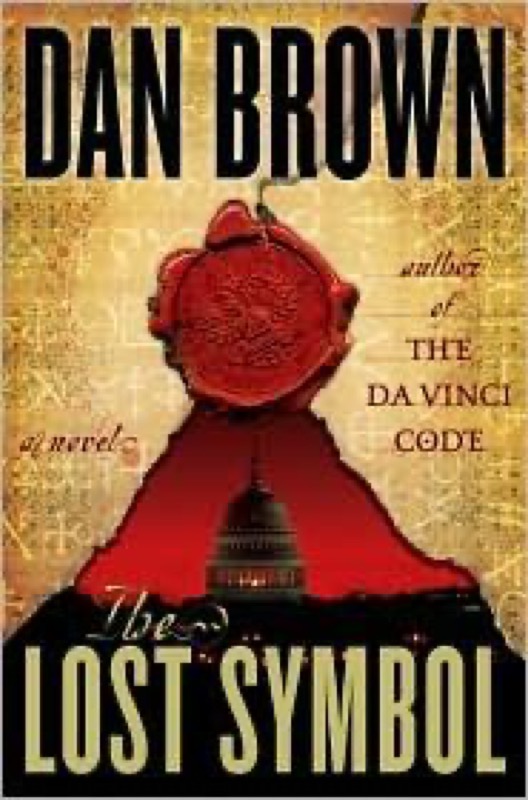
The Lost Symbol (Robert Langdon, #3)
Robert Langdon's thrilling quest for truth
Hook & thesis
In Dan Brown’s The Lost Symbol, the quest for truth intertwines with the exploration of ancient mysteries and modern conspiracies. Brown’s primary objective is to engage readers in a high-stakes intellectual adventure while unraveling the intricate tapestry of symbolism within our society. Verdict: This novel is a compelling yet flawed exploration of the intersection between knowledge and power, ultimately revealing the fragility of human understanding amidst the allure of secrets.
The contextual pivot
The Lost Symbol resides firmly within the dark-thriller genre, building upon the established framework of Brown’s previous works featuring Robert Langdon. This novel aims to captivate a wide audience who revels in puzzles and intrigue, yet it also serves a niche market fascinated by the esoteric and the philosophical underpinnings of symbols. In comparison to other thrillers like The Da Vinci Code and Angels & Demons, The Lost Symbol seeks to bridge the divide between complex historical narratives and mainstream appeal, though it occasionally falters in its ambition.
Deep-dive critique
Structurally, the novel employs a relentless pace, characterized by short chapters that propel the reader forward. This choice enhances the tension but often sacrifices depth, leaving characters like Robert Langdon feeling somewhat one-dimensional. The use of a third-person omniscient point of view allows glimpses into multiple characters’ motivations, yet this can dilute the emotional stakes as the narrative stretches across various locales in Washington, D.C.
Brown’s prose, though engaging, often leans toward exposition-heavy dialogue that can undermine the authenticity of character interactions. For example, conversations between Langdon and his allies frequently pivot on delivering information rather than revealing personal stakes, which detracts from the emotional resonance of their journey.
The themes of knowledge versus ignorance resonate throughout the narrative, particularly in the symbolic exploration of Freemasonry. However, while Brown successfully creates a sense of urgency and intrigue, the resolution feels somewhat unearned; the revelations lack the necessary buildup to be fully impactful, leaving readers questioning the stakes involved.
Discussion launchpad
The novel’s reliance on symbolism and conspiracy raises intriguing points of contention. Brown’s blending of factual history with fiction may provoke debate regarding the legitimacy of the themes presented.
Questions for the room:
- Does the novel’s fast pace enhance or detract from its thematic depth?
- How does the portrayal of symbols affect our understanding of knowledge and power in contemporary society?
- Are the character motivations sufficiently developed to support the story’s stakes?
- In what ways does the novel reflect or challenge contemporary conspiracy theories?
- What are the implications of the ending, and do they align with the presented themes?
#LiteraryAnalysis #darkthriller #mystery #suspense #symbolism