
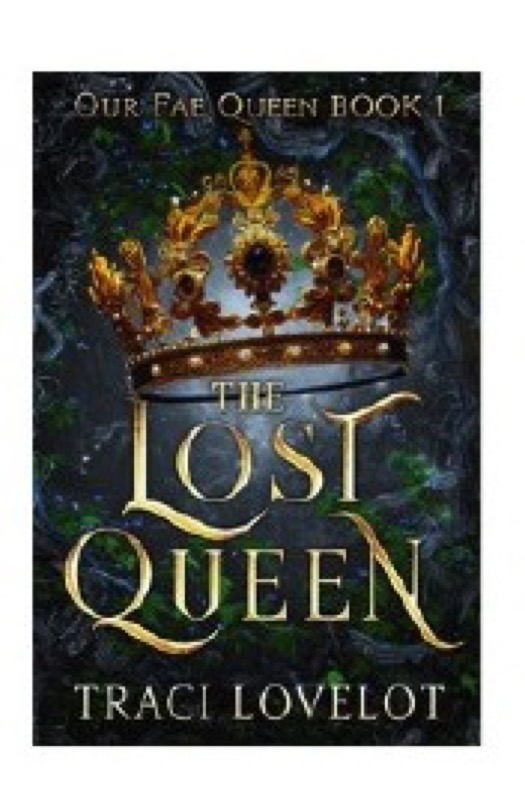
The Lost Queen
Our Fae Queen — Book 1
Hook & thesis
In The Lost Queen, Traci Lovelot weaves a tapestry of desire and desperation set against a backdrop of fae politics and dark magic. The book’s true engine lies in the tumultuous struggle for identity and power that ensnares its characters in both chains and longing. Verdict: Lovelot’s debut excels in crafting a world where the interplay of light and dark forces not only captivates but also challenges the very essence of love and loyalty.
The contextual pivot
Nestled within the fantasy-romance genre, The Lost Queen stands as a compelling entry that grapples with themes of captivity and the duality of power. Lovelot’s work can be juxtaposed with the likes of Sarah J. Maas and Holly Black, both known for their richly layered fae worlds and complex characters. While Lovelot does not shy away from niche tropes such as forced proximity and court intrigue, she manages to bridge these elements to engage a broader audience, inviting readers unfamiliar with fae lore into a world that feels both vast and intimately personal.
Deep-dive critique
The structure of The Lost Queen effectively propels the narrative, with a pacing that captivates even as it occasionally stumbles. Lovelot utilizes a close third-person point of view, allowing readers to navigate the protagonist’s inner turmoil while immersing them in the treacherous dynamics of fae society. The narrative’s timeline, marked by shifting allegiances and escalating tensions, mirrors the protagonist’s own journey toward self-discovery and empowerment.
However, while the prose is often lush and evocative, there are moments where dialogue falters, veering into clichéd territory that undermines character depth. For instance, pivotal exchanges between characters enveloped in the throes of desire sometimes lack the nuance the situations warrant. On the world-building front, Lovelot’s depiction of fae politics is compelling; the intricate hierarchies and dark magic resonate with the genre, though they occasionally risk overwhelming the personal stakes at play. The ending, which tantalizingly leaves threads unresolved, feels both frustrating and earned, inviting readers to explore the depths of loyalty and betrayal in subsequent installments.
Discussion launchpad
The Lost Queen will undoubtedly incite strong opinions, particularly around its handling of dark themes and romantic entanglement within a fantasy setting. The juxtaposition of love and power dynamics offers fertile ground for debate.
Questions for the room:
- How effectively does Lovelot balance romantic tension with the darker elements of the plot?
- What are our thoughts on the portrayal of captivity and its implications for character development?
- In what ways do the fae politics mirror real-world power struggles, and should fantasy engage with these themes?
- How do we interpret the ending — does it leave us hungry for more, or does it frustrate the narrative’s resolution?
- Is the use of forced proximity an effective device for character growth in this context?
#TheOrchidRoom #fantasyromance #darkromance #fae #literaryanalysis