
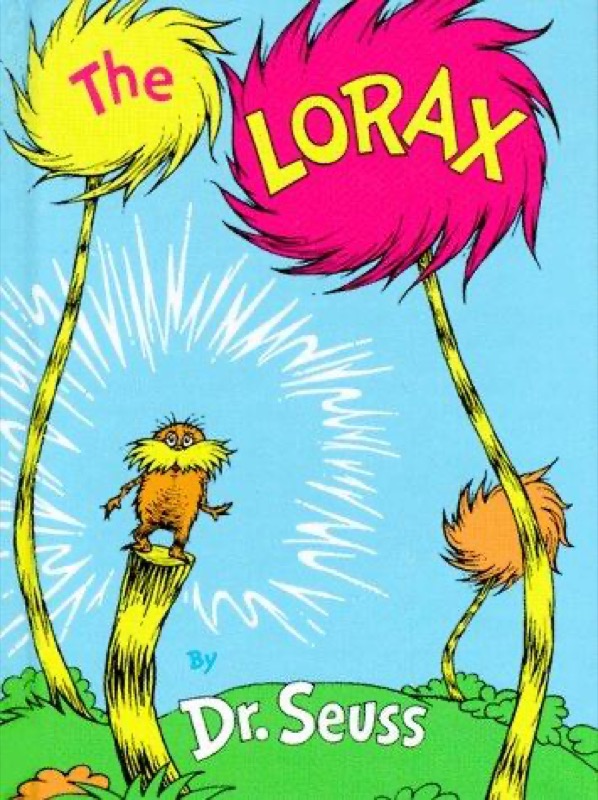
The Lorax
Hook & thesis
In Dr. Seuss’s poignant cautionary tale, The Lorax, the author deftly critiques consumerism and environmental degradation through a whimsical yet haunting narrative. Verdict: This book serves as a stark reminder that every choice carries weight, urging readers to reckon with their impact on the world.
The contextual pivot
Positioned within the realm of children’s literature, The Lorax transcends its playful exterior, embodying a gothic-horror-romance approach that lingers in the subconscious. Seuss’s work exists at the intersection of environmentalism and morality, invoking a sense of urgency that resonates far beyond its intended audience of young readers. The story evokes the gothic tradition by employing an ominous tone through the plight of the Truffula trees, while simultaneously addressing the romance of nature—its beauty and fragility. This unique blend resonates with readers of all ages, making it a bridge between niche ecological themes and mainstream literary discourse.
Deep-dive critique
Seuss structures the narrative through a fable-like lens, employing a reliable yet whimsical narrator who implores the reader to look beyond surface-level enjoyment. The pacing oscillates between whimsical descriptions of the Once-ler’s prosperous beginnings and the gradual, foreboding decline of the natural world, creating a rhythm that mirrors the tension of desire and consequence.
The prose is deceptively simple yet rich in allegorical depth. Seuss utilizes vivid imagery and rhyme to convey stark realities—”Unless someone like you cares a whole awful lot, nothing is going to get better. It’s not.” The interplay between light-heartedness and grave messages underscores the thematic success of the text, illustrating that beauty must be safeguarded against the ravages of greed.
However, critiques arise regarding character depth and dialogue. The Once-ler, while representative of unchecked ambition, remains an enigmatic figure whose motivations feel underdeveloped. This absence can leave readers yearning for a more nuanced exploration of his choices, while the dialogue occasionally veers into didactic territory, straining the narrative’s emotional resonance. Despite these flaws, the emotional weight of the ending is undeniably earned, leaving readers with a lingering sense of responsibility and reflection.
Discussion launchpad
Seuss’s The Lorax challenges our relationship with nature and consumption, provoking rich discussion about the balance between whimsical storytelling and earnest critique.
Questions for the room:
- How does the blending of gothic elements with children’s literature affect the overall impact of the story?
- In what ways does Seuss succeed or falter in developing the characters, particularly the Once-ler?
- Do you believe the moral message overshadows the narrative, or does it enhance the story’s emotional depth?
- How does the urgency of the environmental message resonate with contemporary audiences compared to its original publication context?
- What unresolved themes or biases linger in the text, and how might they be interpreted today?
#TheOrchidRoom #gothic #horrorromance #environmentalism #childrensliterature