
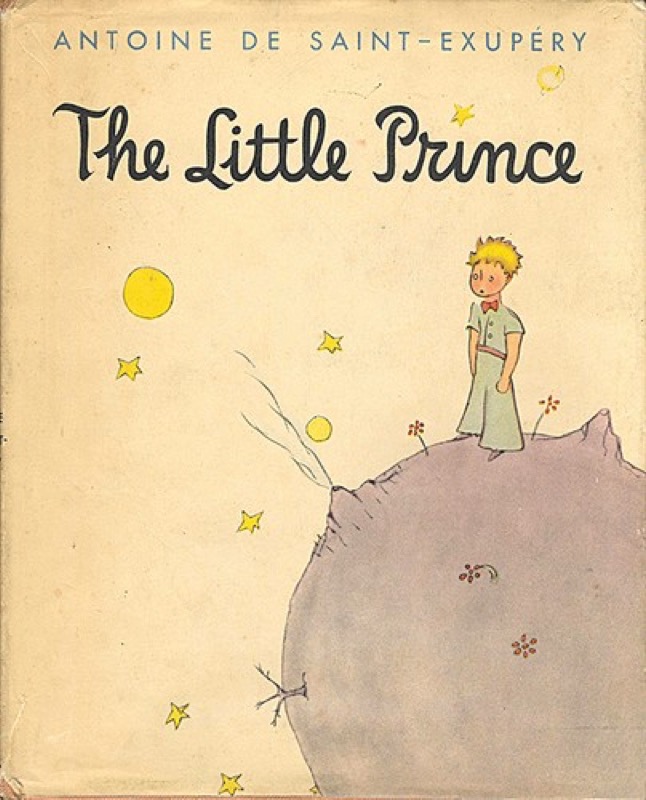
The Little Prince
Hook & thesis
Antoine de Saint-Exupéry’s The Little Prince transcends its whimsical veneer to explore the stark realities of love, loss, and the yearning for connection amid the existential void. Verdict: This timeless tale, while clothed in simplicity, unveils a profound commentary on human nature, making it both a child’s fable and an adult’s lament.
The contextual pivot
Primarily categorized within the realm of philosophical literature, The Little Prince cleverly flirts with gothic nuances through its melancholic themes and the haunting solitude of its titular character. Saint-Exupéry, distinguished for his aviation-themed narratives, bridges the gap between niche and mainstream with this work, appealing to both children and adult readers seeking deeper meaning. While other authors like Peter S. Beagle or even Neil Gaiman delve into whimsy with layers of darkness, Saint-Exupéry’s blend of innocence and existential dread sets this apart, inviting readers into a world where the fantastical meets the profoundly human.
Deep-dive critique
The narrative structure of The Little Prince, conveyed through a first-person perspective, serves to heighten the emotional resonance of the protagonist’s journey. The pacing, deliberate yet fluid, mirrors the childlike wonder and disillusionment experienced by the young prince. Saint-Exupéry’s prose, rich with metaphor and lyrical quality, evokes a sense of nostalgia that is simultaneously haunting and tender. The dialogues, particularly those between the prince and the fox, encapsulate the thematic core of the narrative, illustrating the complexities of relationships and the painful beauty of attachment. However, the heavy reliance on allegory can occasionally overshadow character development, making it difficult for some readers to fully engage with the prince’s emotional evolution. The ending, while poignant, can feel elusive, leaving one to question whether the spiritual journey is sufficiently grounded in the tangible world. Yet, the beauty of this work lies in its openness to interpretation, a dance between clarity and ambiguity that serves its themes well.
Discussion launchpad
The Little Prince is a text that divides readers along lines of emotional engagement and interpretive depth. Some may find its allegorical nature enriching, while others could see it as a barrier to authentic connection with the characters.
Questions for the room:
- Does the prince’s journey resonate more as a child’s tale or an adult’s philosophical inquiry?
- How does Saint-Exupéry’s use of allegory both enhance and hinder character depth?
- In what ways does the tone of the narrative shift between whimsy and darkness, and how does this affect your emotional response?
- What elements of the gothic aesthetic can be identified in the text, and do they serve the story’s larger themes?
- How does the ending challenge or fulfill the expectations set by the narrative’s progression?
#TheOrchidRoom #gothic #horrorromance #philosophical #imagination