
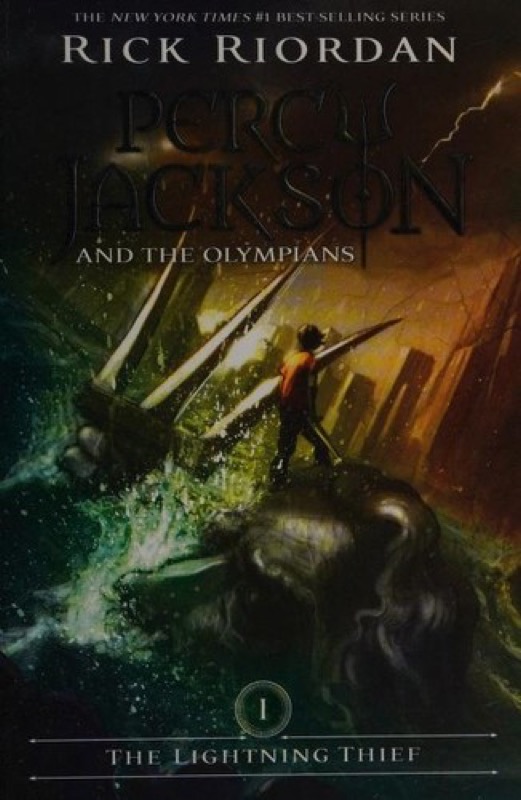
The Lightning Thief (Percy Jackson and the Olympians, #1)
Percy Jackson and the Olympians, #1
Hook & thesis
Rick Riordan’s The Lightning Thief revitalizes the mythological landscape of adolescence through the lens of a young hero navigating the treacherous waters of identity and belonging. Verdict: It is an electrifying initiation into the world of fantasy, where the mythic intertwines with the mundane to deliver a resonant narrative of self-discovery.
The contextual pivot
Positioned within the fantasy-romance genre, The Lightning Thief serves as an entry point for younger audiences into both classical mythology and the complexities of growing up. Riordan expertly weaves together adventure and humor, bridging the gap between niche mythological tropes and the broader young adult market. This book is a cornerstone for readers seeking tales of heroism infused with relatable struggles, reflecting an evolution in how modern fantasy can engage with ancient narratives. In a landscape dominated by both whimsical and darker tones, Riordan’s work is decidedly accessible yet layered with depth, appealing to both children and adults who appreciate a clever twist on old legends.
Deep-dive critique
Riordan employs a first-person narrative that immerses readers in Percy’s psyche, instantly establishing a connection with his fears and aspirations. This choice of point-of-view allows for an intimate exploration of themes like abandonment, loyalty, and the quest for identity. The pacing is brisk, propelling readers through a series of quests that mirror Percy’s internal journey, though some segments may feel rushed, sacrificing deeper exploration of secondary characters’ arcs. The dialogue sparkles with humor and authenticity, effectively capturing the voice of a teenager grappling with extraordinary revelations amidst everyday challenges.
The world-building is particularly commendable; Riordan seamlessly integrates contemporary settings with mythological elements, creating a rich tapestry that feels both familiar and fantastical. However, while the central conflict of Percy against the gods provides considerable stakes, the resolution at times veers towards convenience, leaving some questions about character motivations and side plots unexamined. The relationships between characters, especially the burgeoning friendships, serve as a powerful undercurrent, highlighting the essential human need for connection in the face of adversity. Overall, the thematic resonance of belonging and self-acceptance is poignantly captured, lending an emotional weight that elevates the narrative.
Discussion launchpad
The interplay of myth and modernity invites varied interpretations, and Riordan’s take on mythology may polarize traditionalists versus contemporary readers. How do we reconcile the playful adaptation of classical myths with their original gravitas? What does it mean for readers when the extraordinary becomes relatable?
Questions for the room:
- How does Percy’s journey reflect on the contemporary adolescent experience?
- In what ways does the humor in the narrative enhance or detract from the serious themes present?
- Does the convenience of the plot resolution undermine the stakes established throughout the story?
- How effectively does Riordan address the theme of belonging in a world filled with gods and monsters?
- Can the character development in The Lightning Thief stand up to scrutiny in the broader context of fantasy literature?
#TheOrchidRoom #fantasyromance #mythology #youngadult #literaryanalysis