
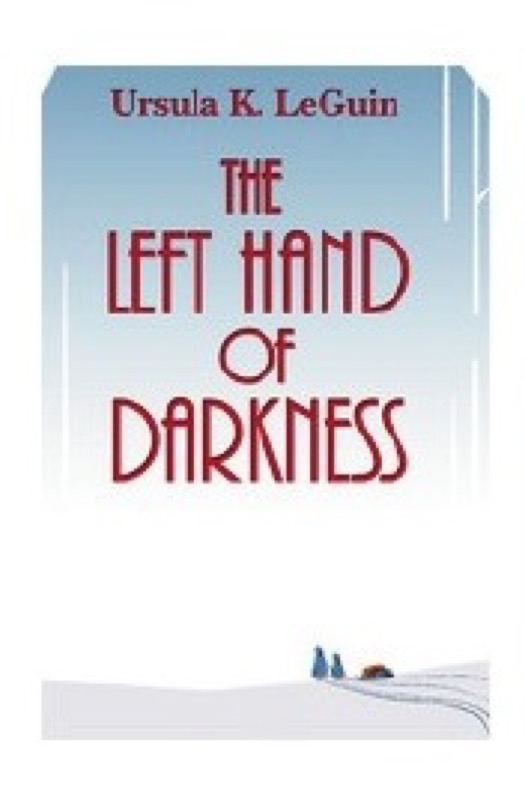
The Left Hand of Darkness
Hook & thesis
In Ursula K. Le Guin’s The Left Hand of Darkness, the author masterfully unravels the complex interplay of gender, identity, and politics against a backdrop of an alien world. Verdict: This book is a profound exploration of what it means to be human, challenging our perceptions of love and connection in ways that linger long after the final page.
The contextual pivot
Set against the rich tapestry of science fiction, The Left Hand of Darkness occupies a unique niche within the genre, blending elements of fantasy and romance to transcend traditional boundaries. Le Guin’s exploration of a world where gender is fluid and social structures are defined by the absence of binary norms offers readers a deeply immersive experience. This work stands alongside influential titles like Octavia Butler’s Kindred and Margaret Atwood’s The Handmaid’s Tale, where the exploration of societal constructs serves both as a critique and a mirror to our own world. Le Guin’s work appeals to a diverse audience, inviting both genre enthusiasts and general readers to engage with its provocative themes, thus bridging niche tropes with broader human experiences.
Deep-dive critique
Le Guin’s narrative structure deftly intertwines multiple perspectives, primarily through the eyes of Genly Ai, an envoy from another world. This point of view not only allows the reader to engage with the alien culture of Gethen but also serves as a vehicle for examining the protagonist’s evolving understanding of gender and intimacy. The pacing is methodical, reflecting the slow unraveling of Genly’s preconceptions, which adds depth to the thematic exploration of trust and betrayal. The prose is rich yet accessible, with Le Guin’s lyrical language capturing the stark beauty of Gethen’s landscape while simultaneously suffusing the narrative with emotional intensity.
Characterization excels in the dynamic between Genly and Estraven, marked by a tension that oscillates between mistrust and deepening affection. Their relationship is crafted with subtlety, allowing desire to simmer beneath the surface, ultimately culminating in a partnership that transcends conventional romantic tropes. However, the ending, while poignant, leaves some ambiguity regarding the resolution of their journey, which could be viewed as both an earned culmination and a frustratingly open-ended conclusion.
Discussion launchpad
Le Guin’s work invites readers to grapple with the complexities of gender and emotional connectivity, which can polarize opinions in a book club setting. The nuances of the characters’ relationships, layered with social commentary, provoke rich debates on their implications.
Questions for the room:
- How does Le Guin’s treatment of gender challenge or reinforce contemporary societal norms?
- In what ways do Genly and Estraven’s relationship dynamics reflect or subvert traditional romantic archetypes?
- Does the ambiguous ending enhance or detract from the overall narrative impact?
- What lessons about trust and vulnerability can be drawn from the characters’ interactions?
- How does the setting of Gethen function as a character in its own right, and what does it reveal about the human experience?
#TheOrchidRoom #fantasyromance #romantasy #darkromance #literaryanalysis