
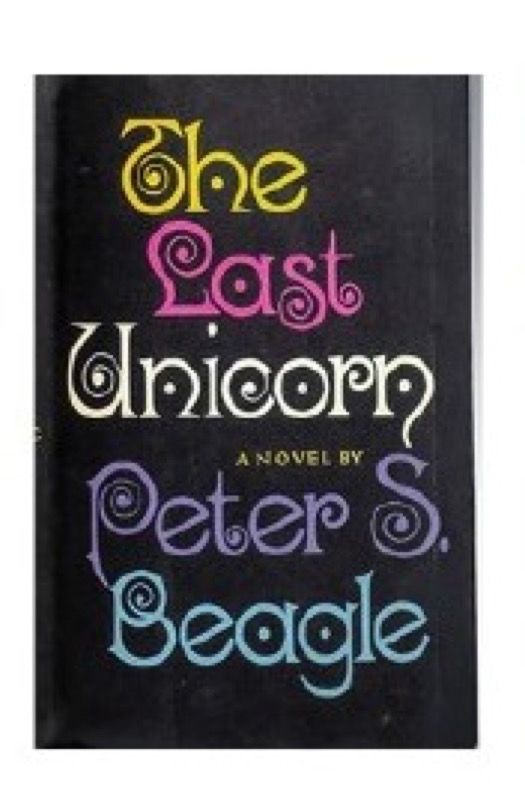
The Last Unicorn
Hook & thesis
In The Last Unicorn, Peter S. Beagle weaves a tapestry of longing and transformation, where the mundane and the magical collide in a quest for identity and love. Verdict: This book is a haunting exploration of the human experience, suffused with longing that resonates far deeper than its fairy tale facade.
The contextual pivot
Positioned within the realm of fantasy-romance, The Last Unicorn operates as both a love letter to the genre and a subversion of its tropes. Beagle’s work stands alongside the likes of Ursula K. Le Guin and Neil Gaiman, who similarly blend the ethereal with the visceral. While Beagle appeals to both niche fantasy aficionados and general readers, the invisible audience comprises those who resonate with themes of nostalgia, loss, and the bittersweet nature of existence. It bridges the gap between whimsical storytelling and profound emotional depth, making it accessible yet evocative.
Deep-dive critique
Beagle’s prose is lyrical, imbued with a poignant rhythm that mirrors the unfolding of the unicorn’s journey. The structure, alternating between a third-person omniscient perspective and intimate character moments, enhances the emotional stakes. The pacing, however, can falter—at times meandering where it should be urgent, particularly in the middle sections where the narrative’s tension dissipates.
The characters are richly drawn yet archetypal, embodying the complexities of desire and fear. The unicorn’s interactions with humans reveal layers of vulnerability and strength, questioning the nature of beauty and existence. The character of Schmendrick the Magician serves as a counterpoint, illustrating the struggle between aspiration and reality, while Molly Grue adds a raw, human touch that grounds the fantastical elements in relatable emotion.
Thematic depth runs through the novel, with the exploration of loss and the inevitability of change acting as the true engine of the narrative. Beagle excels in crafting moments of profound beauty, yet some readers may find the emotional intensity overwhelming, particularly in scenes depicting fantasy violence and existential despair. The ending, a bittersweet culmination of the unicorn’s quest, feels earned but leaves lingering questions about the nature of hope and transformation.
Discussion launchpad
The tension between fantasy and reality creates a fertile ground for discussion, particularly regarding the emotional weight carried by the narrative. How do we reconcile the whimsical with the tragic in our own lives?
Questions for the room:
- What does the unicorn symbolize in the context of personal desire and societal expectations?
- How do Beagle’s characterizations challenge or reinforce traditional fantasy archetypes?
- In what ways does the ending provoke a sense of closure or disquiet?
- How do the themes of nostalgia and loss resonate with your own experiences?
- Can emotional intensity in literature enhance or detract from the reader’s experience?
#TheOrchidRoom #fantasyromance #romantasy #darkromance #literaryanalysis