
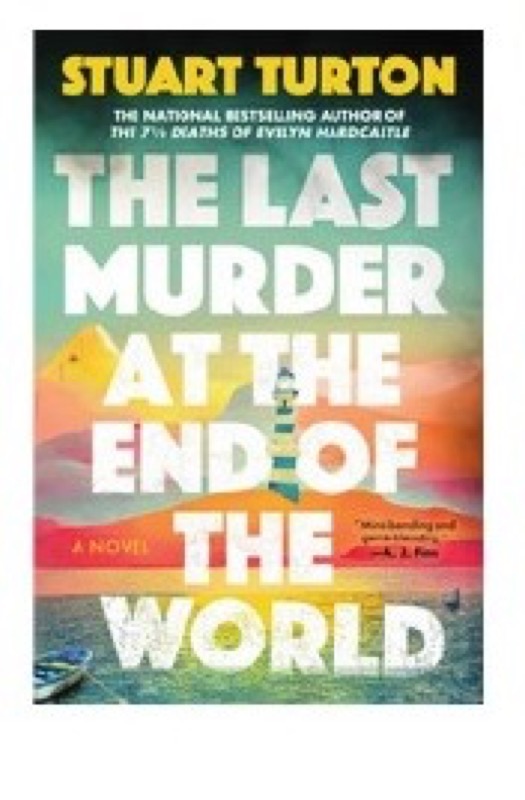
The Last Murder at the End of the World
A Novel
Hook & thesis
Stuart Turton’s The Last Murder at the End of the World presents a gripping exploration of fatalism and agency through a dark-thriller lens, where the stakes of a timeless murder unravel against an impending apocalypse. Verdict: This novel deftly marries genre conventions with profound thematic musings, resulting in a thought-provoking read that lingers in the mind long after the final page.
The contextual pivot
Nestled within the dark-thriller genre, this work stands at the intersection of mystery and speculative fiction, echoing the narrative complexity of authors like Haruki Murakami and the time-loop intricacies of works like Groundhog Day. Turton’s ability to weave elements of romance into atmospheric suspense sets this book apart, while appealing to both niche audiences familiar with sci-fi tropes and general readers drawn to the existential dilemmas of its characters. The author’s prior work, The 7½ Deaths of Evelyn Hardcastle, showcases a similar mastery of time and perspective, making this novel a compelling continuation of Turton’s exploration of intricate plots and moral quandaries.
Deep-dive critique
The structure of The Last Murder at the End of the World employs a non-linear timeline that effectively heightens both tension and character development. The use of multiple perspectives allows readers to glean various motivations, though it risks alienating those seeking a straightforward narrative. Turton’s prose is sharp and immersive, with vivid descriptions that enhance the ominous atmosphere—yet, at times, the dialogue feels stilted, undermining character authenticity. The thematic layering, particularly the tension between predestination and free will, is a notable strength; characters grapple with their choices amidst an impending apocalypse, effectively illustrating the human desire for agency in the face of chaos. However, the ending, while intended to be a culmination of these existential threads, may feel abrupt to some, leaving questions about the fates of key characters unnervingly unresolved.
Discussion launchpad
This novel invites a multitude of interpretations and reactions, particularly concerning its thematic depth and narrative structure.
- How do readers perceive the balance between genre expectations and innovative storytelling in Turton’s work?
- Does the non-linear approach enhance or detract from the reader’s engagement with the story?
- In what ways does the backdrop of an apocalypse shape our understanding of the characters’ motivations and choices?
- What are the implications of the unresolved ending — does it serve the narrative’s themes of uncertainty or merely frustrate the reader?
Questions for the room:
- How effectively does Turton handle the blending of romance and thriller tropes in this narrative?
- In what ways does the exploration of agency resonate with contemporary societal themes?
- Do you think the book’s appeal is limited to a specific audience, or can it transcend genre boundaries?
#LiteraryAnalysis #darkthriller #mystery #time-loop #darkheartlabs