
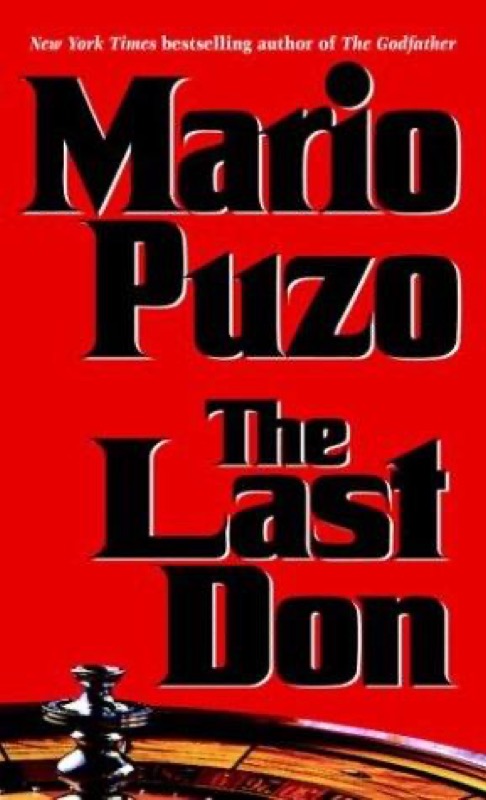
The Last Don
Hook & thesis
In The Last Don, Mario Puzo attempts to dissect the intersection of power, desire, and the familial ties that bind and betray. Verdict: This novel serves as a compelling, if flawed, exploration of the moral ambiguities of loyalty and ambition in the dark underbelly of organized crime.
The contextual pivot
As a staple of the mafia genre, Puzo’s narrative stands alongside his classic The Godfather, both in its thematic exploration of power dynamics and in its vivid depiction of the moral decay within the underworld. The book is anchored in familiar tropes—ambitious dons, innocent bystanders drawn into nefarious schemes—but it also seeks to bridge the chasm between the niche appeal of mafia lore and a broader readership by delving into the intimate struggles of its characters. Here, the invisible audience consists of both seasoned fans of crime fiction and newcomers intrigued by the darker shades of human relationships, making the text accessible yet layered.
Deep-dive critique
Puzo’s structural choices are a double-edged sword; while the sprawling narrative weaves multiple perspectives and timelines, it often veers into convoluted territory, risking reader disorientation. The pacing fluctuates, meandering through character backstories that, while rich, sometimes detract from the central narrative thrust. The novel’s third-person omniscient point of view allows for a panoramic view of the characters’ desires and motivations, yet it occasionally flattens emotional depth, particularly in the romantic arcs that feel secondary to the overarching themes of greed and betrayal.
Craft-wise, Puzo excels in creating a palpable atmosphere of dread and foreboding, underscored by crisp dialogue that captures the essence of his characters’ conflicting loyalties. However, moments of heavy exposition can interrupt the flow, diluting the tension that is crucial to a story steeped in crime and passion. The portrayal of familial relationships is particularly striking—Puzo showcases the paradox of loyalty as both a virtue and a vice, providing a nuanced take on how love can be corrupted by ambition. The ending, while impactful, raises questions about the characters’ journeys; it feels both earned and a touch rushed, leaving some emotional resolutions unaddressed.
Discussion launchpad
Puzo’s exploration of loyalty versus ambition creates a rich tapestry for debate, especially as it relates to family dynamics in high-stakes environments. The moral ambiguities inherent in the characters’ choices invite scrutiny and provoke contemplation on the nature of sacrifice.
Questions for the room:
- How do the themes of power and betrayal resonate in contemporary society?
- Do you find Puzo’s portrayal of women in the narrative empowering or reductive?
- In what ways does the novel challenge or reinforce stereotypes associated with mafia culture?
- How does the ending shape your understanding of the characters’ motivations and desires?
- What does The Last Don reveal about the cost of loyalty, both personally and socially?
#TheOrchidRoom #mafiaromance #darkromance #betrayal #power