
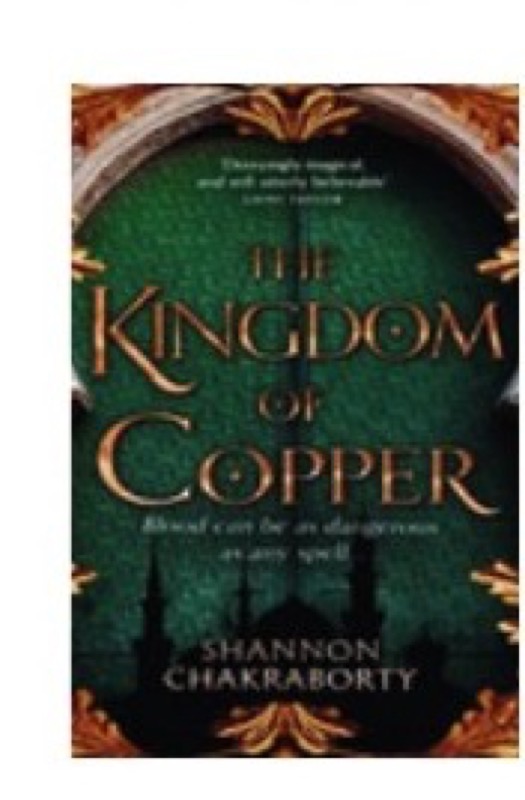
The Kingdom of Copper
The Daevabad Trilogy — Book Two
Hook & thesis
In The Kingdom of Copper, Shannon Chakraborty weaves a tapestry of ambition, betrayal, and desire set against a richly imagined backdrop of magic and political intrigue. Verdict: Chakraborty’s narrative is a masterclass in balancing dark romantic tension with the visceral realities of power, making this installment not just a continuation but a deepening of the series’ emotional and thematic stakes.
The contextual pivot
As the second volume in The Daevabad Trilogy, this book operates within a lush fantasy-romance landscape where the stakes of personal and political ambition collide. Chakraborty’s exploration of djinn and their world offers a unique twist on traditional fantasy tropes, reminiscent of authors like N.K. Jemisin and S.A. Chakraborty herself in her prior work. The intricate world-building draws readers into a realm where magic is both a boon and a curse, enticing both niche aficionados of dark romance and broader audiences alike, as it deftly merges elements of historical fantasy with contemporary themes of loyalty and betrayal.
Deep-dive critique
Chakraborty’s prose is both lyrical and sharp, striking a balance between ornate descriptions and the immediacy of character emotions. The structure of The Kingdom of Copper is particularly notable; its non-linear timeline reflects the characters’ tumultuous journeys, with shifting perspectives that provide insight into the motivations and desires driving each player in this intricate game of thrones. The pacing, while at times meandering, ultimately serves to heighten tension, as characters grapple with their identities and the burdens of legacy.
The dialogue crackles with wit and tension, revealing the complexities of relationships where love intertwines with ambition. Characters like Nahri and Ali are rendered with depth, embodying the struggles of their roles within a society riddled with class divisions and moral ambiguity. However, some may find the heavy reliance on political intrigue slightly overshadowing the romantic arcs, leading to a narrative that occasionally feels like it prioritizes world-building over character development. The ending, while thematically resonant, leaves some threads tantalizingly unresolved, inviting speculation and discussion rather than providing neat closure.
Discussion launchpad
Chakraborty’s ability to weave romantic tension into a politically charged narrative creates polarizing discussions, particularly regarding the balance between personal desires and broader societal implications.
Questions for the room:
- How does the interplay of personal ambition and romantic desire shape character decisions in this book?
- Does the political intrigue enhance or detract from the central romantic narrative?
- What themes of betrayal resonate with contemporary issues in our society?
- How effectively does the world-building contribute to or hinder character development?
- In what ways does the ending challenge or fulfill your expectations of resolution in a series?
#TheOrchidRoom #fantasyromance #daevabad #darkromance #literaryanalysis