
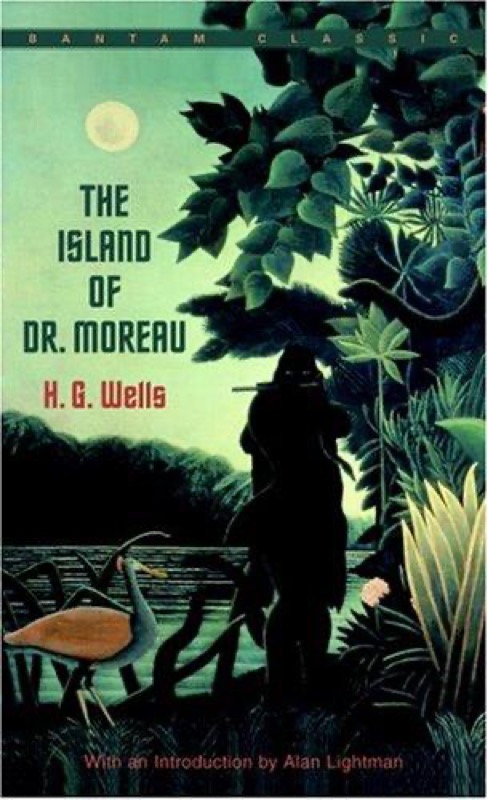
The Island of Dr. Moreau
Hook & thesis
H.G. Wells’ The Island of Dr. Moreau transcends its gothic horror trappings to explore the moral quandaries of humanity’s quest for dominion over nature. Verdict: This examination of the blurred lines between man and beast is as unsettling as it is provocative, revealing the monstrous potential within us all.
The contextual pivot
The Island of Dr. Moreau sits firmly within the gothic-horror genre, intertwining elements of science fiction and philosophical inquiry. Wells crafts a narrative that not only draws on Victorian anxieties surrounding evolution and ethics but also resonates with contemporary themes of bioengineering and ethical responsibility. Compared to contemporaries like Mary Shelley and Bram Stoker, Wells offers a more direct confrontation with the grotesque ramifications of scientific ambition, allowing readers a glimpse into a future where humanity’s hubris could lead to its downfall. The book, while a staple in gothic literature, manages to extend its reach beyond niche audiences, engaging general readers with its urgent moral questions.
Deep-dive critique
Wells’ narrative structure—anchored in first-person perspective—serves to immerse readers in the protagonist Edward Prendick’s visceral experiences, enhancing the horror through a personal lens. The pacing is deliberate, creating a slow build-up that allows tension to simmer before erupting into moments of visceral horror. For example, the gradual unveiling of Moreau’s experiments is executed with a chilling restraint that accentuates the grotesqueness of his creations.
The prose is laced with rich, descriptive imagery, conjuring a vivid sense of place that juxtaposes the wild beauty of the island with the nightmarish reality of its inhabitants. Wells excels in character development, particularly in the figure of Dr. Moreau, whose moral ambiguity mirrors the very essence of the human condition—an exploration of ambition, suffering, and the monstrous. However, the dialogue occasionally falters, lacking the depth that would further illuminate character motivations and emotional stakes. The ending, while haunting, leaves some thematic threads unresolved, perhaps reflecting the ongoing struggle between humanity and its darker instincts.
Discussion launchpad
Wells invites his readers to confront uncomfortable truths about identity and ethics, making The Island of Dr. Moreau a rich text for debate. This tension between the human and the animal raises questions about our own nature and the ethical implications of scientific advancement.
Questions for the room:
- How does the portrayal of Dr. Moreau challenge or reinforce our understanding of moral responsibility in science?
- In what ways does the novel reflect contemporary issues in genetic engineering and animal rights?
- Can the boundary between humanity and monstrosity be clearly defined, or is it inherently fluid?
- How does the novel’s resolution—or lack thereof—affect your interpretation of its themes?
- What role does setting play in the development of both the plot and the characters’ moral dilemmas?
#TheOrchidRoom #gothic #horrorromance #sciencefiction #moralambiguity