
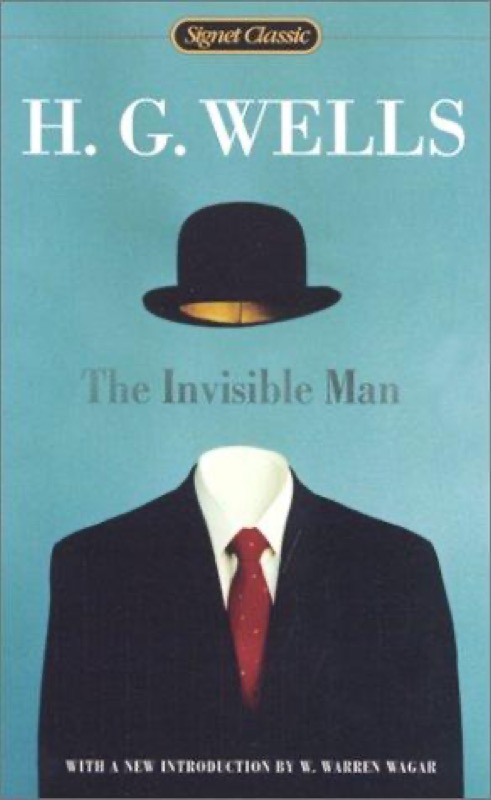
The Invisible Man
Hook & thesis
H.G. Wells’ The Invisible Man is a chilling exploration of the human condition, as it exposes the depths of isolation and the consequences of unchecked ambition. Verdict: This novel deftly melds gothic elements and psychological horror, crafting a narrative that lingers long after the last page is turned, revealing the monstrous potential within us all.
The contextual pivot
The Invisible Man occupies a unique niche within the gothic-horror-romance genre, positioning itself alongside works like Mary Shelley’s Frankenstein and Bram Stoker’s Dracula. Wells’ foray into science fiction brings a modern twist to the classic tropes of isolation and madness; his protagonist, Griffin, becomes a cautionary figure representing the perils of scientific hubris. Wells’ work resonates with readers who appreciate the intersection of gothic romanticism and speculative fiction, making it accessible beyond its niche. The invisible man’s plight raises poignant questions about societal alienation, appealing to a contemporary audience grappling with their own forms of invisibility.
Deep-dive critique
The structure of The Invisible Man is a deliberate choice that amplifies its thematic core. Wells employs a non-linear timeline, weaving in journal excerpts and third-person perspectives that enhance the sense of disorientation—much like Griffin’s own descent into madness. The pacing ebbs and flows, building tension as Griffin’s transformation spirals out of control, creating a sense of dread that permeates the narrative.
Wells’ prose is both vivid and unsettling, capturing the stark contrast between the invisible man’s internal turmoil and the external world’s reaction. His use of dialogue effectively conveys the paranoia and fear that ensue as Griffin’s actions become increasingly violent. Notably, the moments of clarity amidst his chaos—when Griffin reflects on his lost humanity—serve to deepen the reader’s understanding of his tragic character arc.
The ending, however, while impactful, raises questions about whether it is fully earned. As Griffin meets his fate, the emotional resonance hinges on the reader’s investment in his plight—a gamble that may not pay off for everyone. By the conclusion, the narrative leaves lingering questions about redemption and the nature of monstrosity, inviting readers to grapple with their own interpretations of justice.
Discussion launchpad
The themes interwoven throughout The Invisible Man provoke a range of interpretations, especially regarding the balance between character sympathy and moral consequences. The duality of isolation—both self-imposed and societally enforced—can lead to divisive opinions on Griffin’s ultimate fate and the portrayal of his mental decline.
Questions for the room:
- Does the novel effectively elicit sympathy for Griffin, or does his descent into violence overshadow his humanity?
- How does Wells’ treatment of scientific ambition resonate with contemporary issues in technology and ethics?
- In what ways do the gothic elements enhance or detract from the narrative’s suspense?
- Can the concept of invisibility be viewed as a metaphor for modern alienation in society?
- How does the ending shape your perception of Griffin as both a victim and a villain?
#TheOrchidRoom #gothic #horrorromance #classic #sciencefiction