
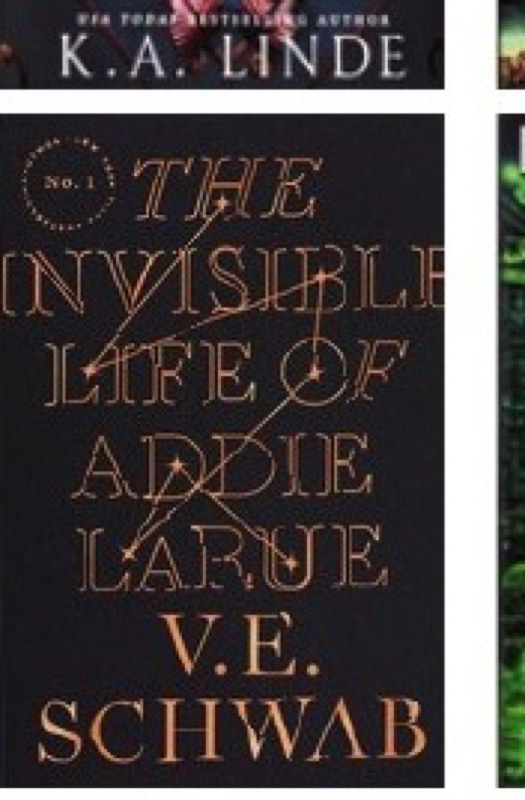
The Invisible Life of Addie LaRue
Hook & thesis
V.E. Schwab’s The Invisible Life of Addie LaRue is a stunning exploration of the longing for legacy and connection, framed within a gothic romance that bends the rules of time and memory. Verdict: Schwab masterfully interweaves the themes of identity and desire, creating a haunting narrative that lingers long after the final page.
The contextual pivot
This novel occupies a unique space within the fantasy-romance genre, straddling the line between literary fiction and speculative storytelling. Schwab’s signature blend of richly drawn characters and evocative prose sets a high bar for contemporaries, akin to the works of Neil Gaiman and Susanna Clarke. Unlike mainstream fantasy, which often leans heavily on world-building and action, Addie LaRue focuses instead on the emotional landscape of its protagonist, making it accessible to readers who might typically shy away from genre tropes. The book’s invisible audience encompasses those drawn to existential musings on love and loss, bridging niche themes with universal human experiences.
Deep-dive critique
Schwab’s narrative structure is both ambitious and effective, employing a non-linear timeline that echoes Addie’s own fragmented existence. This pacing serves to immerse the reader in her perpetual state of yearning; each moment stretches out, both intimate and expansive, as we delve into centuries of her life. The dual perspectives—Addie’s reflections and her interactions with the enigmatic Luc—create a rich tapestry of desire, loss, and the search for meaning.
The prose is laden with metaphor, elevating the simple act of living to something profoundly poetic. Schwab’s dialogue, particularly in Addie’s interactions with Luc, crackles with tension, highlighting the complexities of their relationship—a dance of power and vulnerability. The world-building is subtle yet evocative, allowing readers to feel the weight of time and the impact of being forgotten, while the emotional intensity serves as a powerful undercurrent that drives the narrative.
However, some may find the pacing uneven, with certain sections dragging as they delve into philosophical musings that, while beautiful, could risk losing reader engagement. The ending, while poignant, may also leave some readers wanting more clarity; it provokes thought but does not offer resolute closure, challenging the notion of a neat conclusion in a life that is anything but ordinary.
Discussion launchpad
This novel invites various polarities and interpretations that could ignite spirited debate among readers. On one hand, there’s the tension between the romantic ideal and the harsh reality of Addie’s existence; on the other, the concept of legacy versus oblivion in a world that forgets the unremembered.
Questions for the room:
- Is the romantic relationship between Addie and Luc a genuine connection or merely a reflection of Addie’s profound loneliness?
- How does the non-linear narrative affect your understanding of Addie’s character and her choices?
- In what ways does the novel challenge or reinforce traditional notions of legacy in our lives?
- Can Addie’s journey be viewed as an empowering tale, or does it highlight the futility of existence?
- How does Schwab’s use of magical realism influence your emotional response to Addie’s plight?
#TheOrchidRoom #theinvisiblelifeofaddielarue #fantasyromance #literaryanalysis #darkromance