
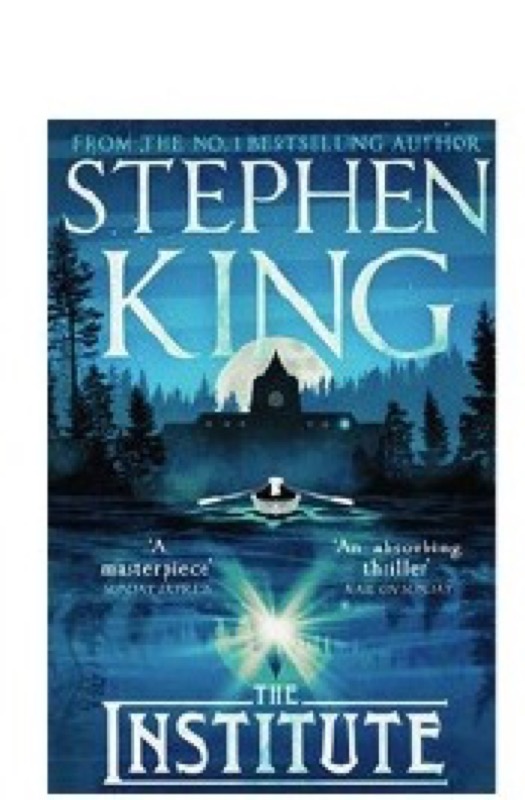
The Institute
Hook & thesis
Stephen King’s The Institute deftly explores the horrors of captivity and the resilience of the human spirit through the lens of supernatural thriller. The book’s true engine is the central conflict between innocence and corrupt power, manifested in the lives of children trapped in a sinister institution. Verdict: King delivers a compelling narrative that, while chilling, ultimately reaffirms hope and the strength of community.
The contextual pivot
The Institute sits firmly within the dark-thriller genre, a realm where King has established his formidable reputation. This novel can be viewed as a successor to works like Firestarter, where children endowed with extraordinary abilities confront malevolent forces. King deftly bridges niche tropes of supernatural horror with broad appeal, addressing universal themes of fear, survival, and the fight against dehumanization. The invisible audience comprises those familiar with supernatural elements, yet the emotional resonance is crafted to engage general readers who may not typically venture into dark narratives.
Deep-dive critique
King’s structural choices serve to enhance the narrative’s tension, utilizing a dual perspective that oscillates between the children at the Institute and those compelling their captivity. This pacing creates a palpable suspense, effectively keeping readers invested in both the protagonists’ plight and the sinister machinations of their captors. The dialogue is sharp and authentic, capturing the unique voices of the children while maintaining a terrifying realism in their interactions with the adult antagonists, which is a hallmark of King’s craft.
However, the thematic exploration of power dynamics occasionally falters when the prose leans towards over-explanation. Some sections feel bloated with exposition that could have been more elegantly woven into the narrative fabric. Despite this, the world-building is vivid, with King painting the Institute as a labyrinthine nightmare that mirrors real-world horrors, thus amplifying the psychological depth. The ending is both earned and satisfying, as it encapsulates the overarching theme of resistance against oppressive forces, leaving readers with a sense of closure, yet inviting contemplation on the cost of survival.
Discussion launchpad
The dichotomy of innocence versus experience is prevalent in King’s work, and The Institute raises intriguing questions about the implications of power and agency. How do the horrors faced by the children shape their identities, and what does it suggest about the nature of evil?
Questions for the room:
- How do the children’s supernatural abilities serve as metaphors for their struggles against oppression?
- In what ways does King’s portrayal of the Institute reflect societal views on childhood and vulnerability?
- Are there elements of the novel that feel overly familiar or clichéd, and how does that impact its overall effectiveness?
- How does the balance between horror and hope resonate with readers’ expectations of the thriller genre?
#LiteraryAnalysis #darkthriller #psychologicalhorror #StephenKing #literaryanalysis