
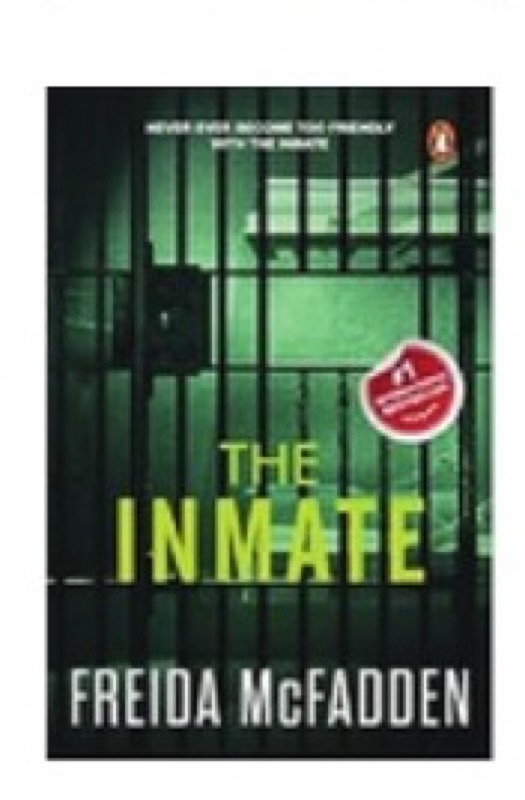
The Inmate
Never ever become too friendly with the inmate.
Hook & thesis
In Freida McFadden’s The Inmate, a chilling exploration of power dynamics within the confines of prison life unfolds, revealing the terrifying consequences of misplaced trust. Verdict: This novel masterfully intertwines psychological tension with the stark realities of violence, leaving readers questioning their own moral compasses amidst a backdrop of desperation and betrayal.
The contextual pivot
The Inmate exists at the intersection of the dark-thriller genre and the prison narrative, akin to works by authors like Jennifer Hillier and Gillian Flynn, who similarly dissect the darker aspects of the human experience. McFadden’s narrative digs deeper than mere suspense, carving out a niche that blends elements of romantic suspense with a gothic undertone, appealing to a readership that thrives on tension, moral ambiguity, and the psychological turmoil of its characters. The invisible audience here is not just the thriller aficionado but also those drawn to tales that explore the fragility of human connection under duress, making it a bridge between niche and mainstream readers.
Deep-dive critique
McFadden’s craft shines through in her tightly woven structure and pacing, which deftly escalates tension through alternating perspectives, allowing readers an intimate glimpse into the minds of both the inmate and the unwitting protagonist. This technique not only enhances the psychological complexity but also immerses the reader in a constant state of suspense. The dialogue is sharp and revealing, illustrating the power struggles inherent in the prison system, while the world-building is visceral, painting a stark picture of life behind bars that reverberates with authenticity.
However, while the thematic exploration of trust and betrayal is compelling, some mechanical flaws detract from its impact. Certain plot turns feel contrived, sacrificing realism for shock, and the ending, though taut, risks undermining the emotional investment built through earlier character development. The violence, while integral to the narrative, occasionally teeters on the edge of gratuitous, prompting questions about the fine line between necessary tension and excessive brutality. Ultimately, the novel’s ability to engage with its darker themes makes it a formidable entry in the genre, even if it stumbles at points.
Discussion launchpad
The Inmate raises significant questions about morality, trust, and the human condition in extremis, polarizing readers between those who appreciate its unflinching honesty and those who find its violence excessive.
Questions for the room:
- Does the portrayal of violence enhance or detract from the psychological tension?
- How does the dual perspective shape our empathy for characters who are morally ambiguous?
- In what ways does McFadden’s narrative challenge or reinforce stereotypes associated with prison narratives?
- Is the ending justified in its emotional payoff, or does it feel like a narrative cheat?
#LiteraryAnalysis #GothicEdge
#TheOrchidRoom #darkthriller #romanticsuspense #prison #darkheartlabs