
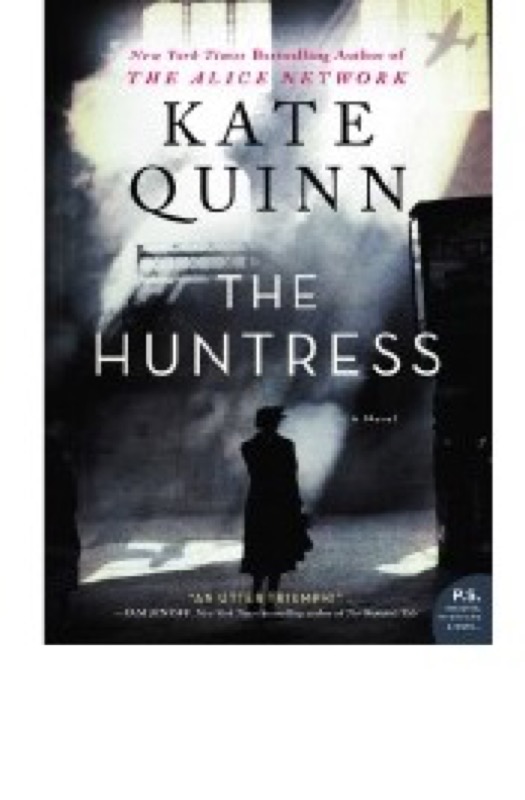
The Huntress
A Novel
Hook & thesis
In The Huntress, Kate Quinn propels her narrative through the chilling aftermath of war, exploring the lengths to which one will go for justice—however twisted it may be. Verdict: This dark thriller is a gripping exploration of vengeance and moral ambiguity that leaves readers questioning the very nature of justice.
The contextual pivot
Set against the backdrop of post-World War II Europe, The Huntress straddles the line between historical fiction and dark thriller, a genre often overshadowed by more conventional narratives of heroism. Quinn’s work resonates with readers familiar with other postwar explorations like Anthony Doerr’s All the Light We Cannot See and the darker edges of literary thrillers by authors such as Gillian Flynn. The book caters to an audience that craves suspense intertwined with moral complexity, appealing to both the niche of historical intrigue and the general thrill-seeker.
Deep-dive critique
Quinn’s structure effectively weaves together multiple perspectives, creating a web of tension that deepens the reader’s engagement. The alternating POVs amplify the suspense, particularly as the timeline oscillates between past and present, revealing hidden truths in layers. The pacing initially feels uneven, with early chapters setting a slower rhythm that contrasts with the rapid escalation of violence later. This shift, while jarring, serves to reflect the chaotic aftermath of war.
Characterization is where The Huntress excels, particularly through the figure of the titular huntress, who embodies both predator and prey. Quinn’s prose is rich with evocative imagery—a promise of beauty enveloped in darkness. The dialogue is sharp, often laced with an undercurrent of dread, effectively capturing the psychological torment of characters haunted by their past actions. However, certain supporting characters fall into cliché traps, diluting the tension that Quinn cultivates so skillfully.
While the thematic success of revenge and justice resonates throughout, the ending, though climactic, pivots toward a resolution that feels slightly unearned. The characters grapple with their demons, yet the finality lacks the heavy toll one might expect from such a harrowing journey.
Discussion launchpad
The moral complexities of justice and vengeance form the crux of The Huntress, provoking varying interpretations and passionate debate. Quinn’s approach raises numerous questions about the nature of evil and the price of retribution.
- Questions for the room:
- Does the book romanticize revenge, or does it serve as a cautionary tale?
- How does the duality of the huntress challenge our understanding of heroism?
- What are the implications of portraying historical figures as morally ambiguous?
- In what ways does Quinn’s work compare to contemporary thrillers tackling similar themes?
- How does the pacing impact the overall tension and reader investment in the characters’ fates?
#LiteraryAnalysis #GothicEdge
#darkthriller #romanticsuspense #historical