
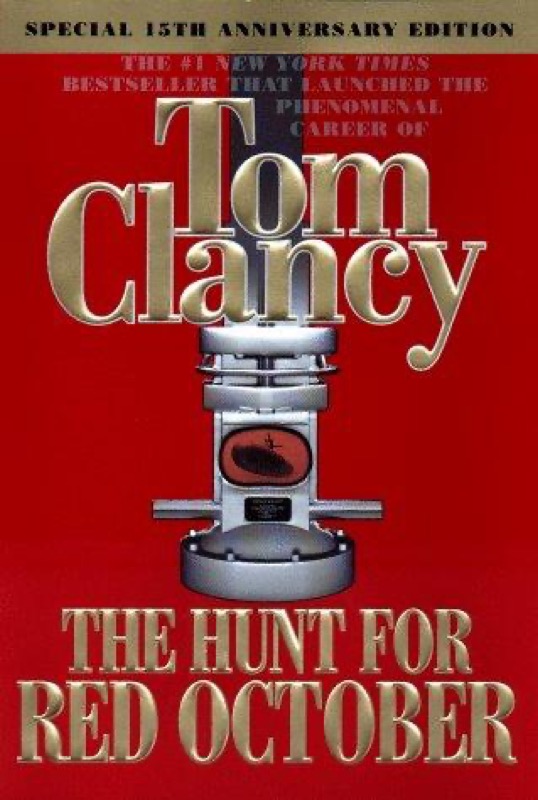
The Hunt for Red October (Jack Ryan, #3)
Jack Ryan Series
Hook & thesis
Tom Clancy’s The Hunt for Red October is a masterclass in tension-building that intertwines military strategy with the intricate dance of espionage. At its core, the novel grapples with the complexities of loyalty and trust amidst geopolitical turmoil. Verdict: Clancy crafts a gripping narrative that immerses readers in Cold War anxieties through a riveting exploration of human motivations and national allegiances.
The contextual pivot
Situated firmly within the dark-thriller genre, The Hunt for Red October stands out not only as a cornerstone of Clancy’s oeuvre but also as a seminal work that defined military espionage fiction in the late 20th century. Its intricate portrayal of submarine warfare and the moral dilemmas faced by its characters resonates with fans of authors like Robert Ludlum and Frederick Forsyth. Clancy’s ability to blend technical accuracy with character-driven stories ensures the book transcends niche appeal, making it accessible to a broader audience fascinated by political intrigue.
Deep-dive critique
Clancy employs a multi-perspective narrative structure that enhances the tension and complexity of the plot. The shifting points of view—from Soviet officers to CIA analysts—serve to build suspense, as readers are privy to conflicting motivations and hidden agendas. This technique effectively mirrors the chaos and uncertainty of the Cold War, elevating the stakes throughout the novel. Clancy’s prose, while occasionally dense with technical jargon, creates an authentic atmosphere that immerses the reader in the world of naval warfare. However, this can alienate some readers unfamiliar with military lexicon, presenting a slight barrier to full engagement.
Characterization is another area where Clancy excels. Jack Ryan emerges not just as a stalwart hero but as a relatable figure grappling with the ethical ramifications of his decisions. The dialogue is sharp and often laden with subtext, reinforcing the themes of loyalty and betrayal. Nevertheless, some secondary characters could benefit from deeper development; they occasionally serve as plot devices rather than fully realized individuals. The novel’s conclusion is both thrilling and reflective, offering a satisfying resolution to the immediate conflict while leaving lingering questions about the broader implications of the events that transpired.
Discussion launchpad
The Hunt for Red October raises compelling questions about morality in warfare and the nature of trust in high-stakes environments. The polarities within the narrative—heroism versus betrayal, loyalty versus self-preservation—invite rich discussion among readers.
Questions for the room:
- How does Clancy’s portrayal of military life reflect or challenge contemporary views on warfare?
- In what ways does the character of Jack Ryan embody the archetypal hero, and where does he diverge from it?
- To what extent does the technical detail enhance or detract from the overall narrative?
- What unresolved questions does the book leave regarding the loyalties of nations versus personal ethics?
- How do Clancy’s themes resonate with current geopolitical tensions?
#LiteraryAnalysis #darkthriller #military #espionage #cold-war #theorchidroom