
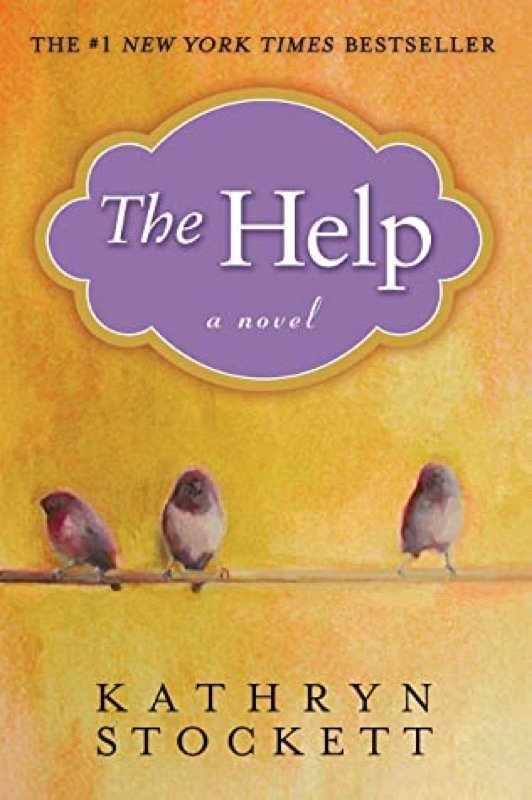
The Help
Hook & thesis
In Kathryn Stockett’s The Help, the narrative engine thrives on the tension of race relations and the moral complexities entwined with friendship and loyalty. Verdict: This novel, while ostensibly a tale of empowerment, often flirts with perilous oversimplifications of race and privilege that undermine its darker ambitions.
The contextual pivot
Situated within the realm of dark-thriller and historical fiction, The Help navigates the turbulent waters of the Civil Rights Movement, casting a spotlight on the often-overlooked lives of African American maids in Jackson, Mississippi during the 1960s. Stockett deftly weaves a narrative that, despite its mainstream appeal, occasionally feels like a sanitized appropriation of deeply entrenched historical traumas. Compared to works like Toni Morrison’s Beloved or Zora Neale Hurston’s Their Eyes Were Watching God, which grapple with the brutal realities of African American life, The Help risks diluting the rawness of its subject matter to cater to a broader audience, creating an invisible wall that may alienate serious readers seeking authenticity.
Deep-dive critique
The structure of The Help employs multiple points of view, which initially promises a rich tapestry of perspectives. However, the pacing falters as these voices often fall into predictable patterns, diluting the impact of their individual stories. Aibileen and Minny, the two main characters, are intricately drawn, yet their arcs sometimes succumb to melodrama rather than realism. Stockett’s prose is laced with moments of humor that aim for levity amidst heavy themes, yet this tonal inconsistency can undermine the gravity of the narrative.
Character development shines in glimpses but often feels superficial. Skeeter’s transformation from a privileged white woman to an ally is rushed, leaving readers questioning the authenticity of her journey. The dialogue, while peppered with regional vernacular, occasionally stumbles into cliché, failing to evoke the visceral response one would expect from such poignant subject matter. Ultimately, the ending, which aims to be uplifting, feels contrived and lacks the earned weight of the preceding suffering, leaving a sense of dissonance lingering long after the final page.
Discussion launchpad
The juxtaposition of empowerment versus exploitation is likely to stir a heated debate. How effectively does The Help navigate the precarious waters of race and privilege, and at what cost? What does this say about the role of perspective in storytelling?
Questions for the room:
- Does the narrative ultimately empower its characters, or does it perpetuate a white savior complex?
- How do the humor and lighter moments serve or obstruct the serious themes of racism and emotional abuse?
- In what ways could the narrative have presented a more authentic portrayal of its historical context?
- What are the implications of a predominantly white readership engaging with this story?
#LiteraryAnalysis #GothicEdge #TheOrchidRoom #darkthriller #historicalfiction