
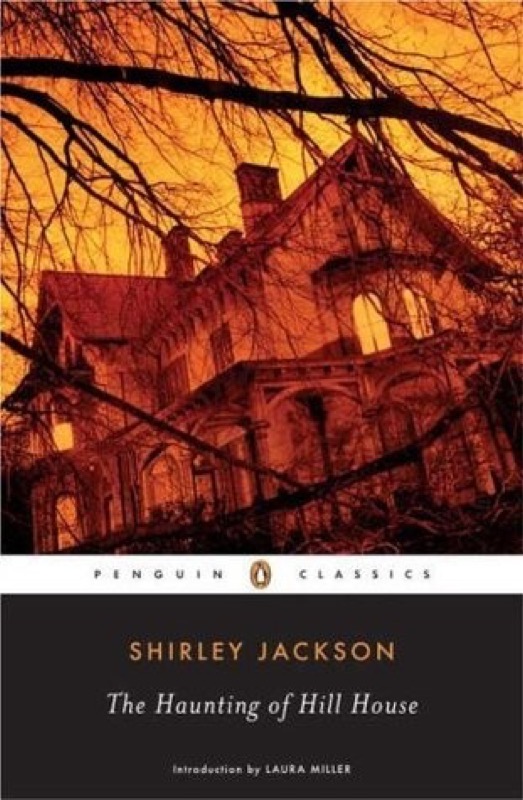
The Haunting of Hill House
Hook & thesis
Shirley Jackson’s The Haunting of Hill House masterfully explores the intricacies of fear, isolation, and the human psyche through the lens of a haunted house narrative. Verdict: This novel transcends its genre by embedding psychological insight within a haunting tale, making it a profound examination of human vulnerability.
The contextual pivot
As a pivotal text in gothic horror, The Haunting of Hill House stands alongside works by authors like Edgar Allan Poe and Henry James, who also delve into the psychological aspects of terror. Jackson’s exploration of supernatural elements serves a dual purpose: it not only evokes fear but also acts as a metaphor for the characters’ internal struggles. The invisible audience comprises readers seeking more than mere scares; they are drawn to the nuanced examination of mental health and interpersonal dynamics, which elevate the narrative beyond typical genre boundaries.
Deep-dive critique
The novel’s structure is pivotal to its thematic success. Jackson employs a third-person limited perspective, primarily through Eleanor Vance, which allows readers to intimately experience her psychological unraveling as she becomes increasingly influenced by Hill House. The pacing is deliberate, building tension through subtle shifts in reality and perception, creating a sense of claustrophobia that mirrors Eleanor’s mental state. Jackson’s prose excels in crafting an oppressive atmosphere; phrases like “the house was alive” exemplify her ability to imbue setting with emotional weight. However, some readers might find the ambiguous nature of the ending less than satisfying, as it leaves many questions unanswered regarding the true nature of the haunting and Eleanor’s fate. This ambiguity, while intentional, may polarize audiences who prefer a more concrete resolution.
Discussion launchpad
The Haunting of Hill House raises intriguing discussions about the nature of fear and the reliability of perception.
- How does Jackson’s portrayal of mental illness inform our understanding of Eleanor’s experiences?
- In what ways does the house itself serve as a character, reflecting the inner turmoil of the characters?
- Does the ambiguity of the ending enhance or detract from the overall impact of the story?
Questions for the room:
- How do you interpret the relationship between Eleanor and the house?
- What role does friendship play in shaping the characters’ experiences?
- Can the supernatural elements be viewed as purely psychological?
#LitClass #Grade11 #RequiredReading #gothic #psychologicalthriller