
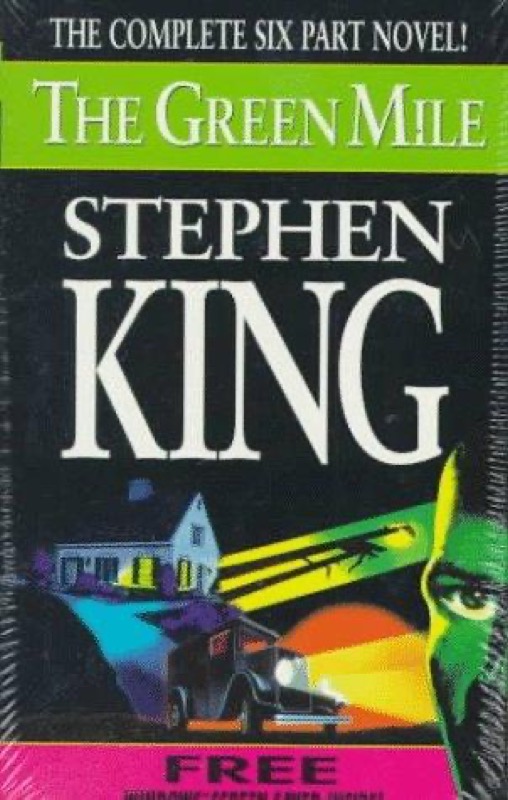
The Green Mile
Hook & thesis
Stephen King’s The Green Mile masterfully entwines the ethereal with the visceral, questioning the nature of justice and the human soul in a confined space where miracles and monstrosities coexist. Verdict: This is not merely a tale of the supernatural; it is a harrowing exploration of suffering and humanity’s darkest impulses, leaving readers to ponder who the real monsters are.
The contextual pivot
Positioned within King’s extensive oeuvre, The Green Mile stands out as a poignant dark-thriller that blends elements of gothic horror with a deep social commentary on capital punishment and the moral dilemmas it engenders. Unlike his horror-centric works, this novel draws on the emotional resonance of friendship and suffering, appealing to both genre enthusiasts and general readers alike. The invisible audience is likely composed of those who seek narratives that transcend mere horror, inviting reflection on ethical complexities intertwined with the supernatural — a bridge from niche tropes to broader moral questions.
Deep-dive critique
The structure of The Green Mile, presented as a serialized narrative, effectively heightens the tension and emotional stakes, allowing readers to digest the unfolding tragedy in segments that mirror the disjointed time of confinement. King employs a first-person point of view, which intimately connects us with the protagonist, Paul Edgecombe, while simultaneously creating distance from the horrors unfolding around him. This duality enhances the thematic exploration of empathy versus detachment in the face of human suffering.
King’s prose is evocative, infused with sensory details that immerse the reader in the oppressive atmosphere of the death row setting. For instance, his descriptions of the prison’s physicality resonate deeply, reflecting the psychological torment experienced by both the inmates and the guards. However, the dialogue can occasionally veer into melodrama, undermining the gravitas that the narrative builds. The characters, while richly developed, can at times feel archetypal: the tortured hero, the innocent giant, and the corrupt warden — elements that serve the story but risk flattening the emotional landscape.
The ending, while impactful, raises questions about redemption and the nature of true justice. Is it a resolution or a further entrapment in the cycle of suffering? King dares the reader to confront these uncomfortable questions, yet it may leave some seeking a more definitive closure unsatisfied.
Discussion launchpad
The Green Mile provokes deep reflection on the ethics of punishment and the duality of humanity through its intricate characterizations and moral dilemmas. The polarities at play — between compassion and cruelty, innocence and guilt — will spark heated discussions.
Questions for the room:
- How does King’s portrayal of supernatural elements influence our understanding of justice?
- In what ways do the characters reflect or challenge societal norms regarding suffering and empathy?
- Does the novel’s ending offer a sense of closure or perpetuate the cycle of despair?
- Can the depiction of violence be justified in the context of the themes presented?
- How does the prison setting amplify the novel’s gothic elements compared to King’s other works?
#LiteraryAnalysis #GothicEdge
#darkthriller #romanticsuspense #theorchidroom