
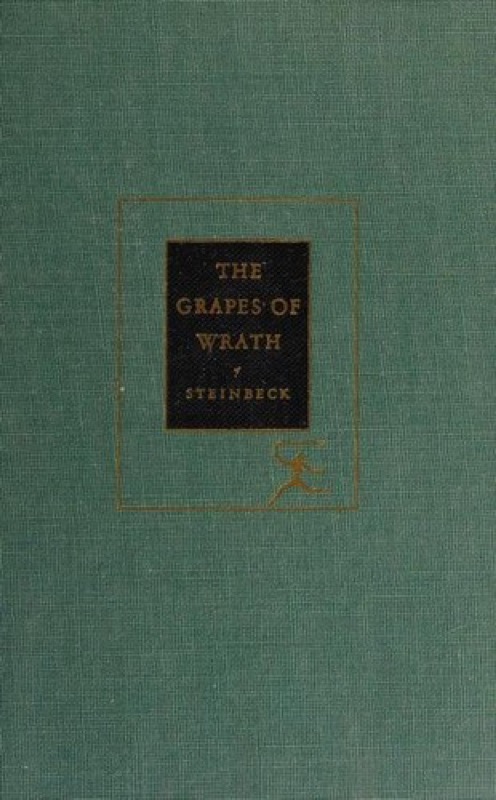
The Grapes of Wrath
Hook & thesis
In John Steinbeck’s The Grapes of Wrath, the relentless struggle of the Joad family against the backdrop of the Great Depression serves as a haunting examination of human resilience. Verdict: This novel, steeped in dark realism, unflinchingly exposes the brutality of survival and the moral decay that accompanies systemic oppression.
The contextual pivot
Nestled within the canon of American literature, The Grapes of Wrath is a cornerstone of social realist fiction rather than a traditional dark thriller. Steinbeck’s work bridges the chasm between niche historical narratives and broader existential themes, drawing readers into the grim realities faced by displaced families. Unlike more romanticized portrayals of hardship, Steinbeck’s unvarnished lens on poverty and familial bonds resonates with contemporary audiences while aligning with the works of authors like Zora Neale Hurston and Richard Wright, who also navigated the complexities of identity and survival amidst societal collapse.
Deep-dive critique
Steinbeck’s structural choices amplify the emotional stakes throughout the narrative. The alternating chapters between the Joads’ personal journey and the broader societal context function as a dual lens, allowing readers to grasp the enormity of their plight while rooting for individual perseverance. This juxtaposition, however, can become disorienting, with the pacing occasionally faltering as the narrative shifts gears between intimate family struggles and sweeping social commentary.
Characterization is another area where the novel shines; each member of the Joad family embodies different responses to adversity, from Ma Joad’s fierce maternal instinct to Tom’s rebellious spirit. Their dialogues are laced with regional dialect, lending authenticity but also complicating accessibility for modern readers. The prose, though occasionally cumbersome, bursts with visceral imagery — a testament to Steinbeck’s ability to evoke emotional responses while underscoring the harshness of their reality. However, the ending, while poignant, risks feeling didactic, as it grapples with themes of hope and despair in a way that may polarize readers regarding its resolution.
Discussion launchpad
The novel’s exploration of social issues through a dark lens raises significant questions about morality, resilience, and the human condition. These elements are likely to spark robust debate among readers.
- How does Steinbeck’s portrayal of poverty shape our understanding of morality in desperate circumstances?
- Do the alternating narratives detract from the emotional impact of the Joad family’s journey?
- Is the ending a catharsis or a grim reminder of unending struggle?
Questions for the room:
- What role does family play in the survival of the characters?
- How does Steinbeck’s perspective on societal responsibility resonate today?
- In what ways can we interpret the violence depicted in the novel as reflective of the era’s broader societal failings?
#LiteraryAnalysis #GothicEdge #TheOrchidRoom #darkthriller #AmericanLiterature