
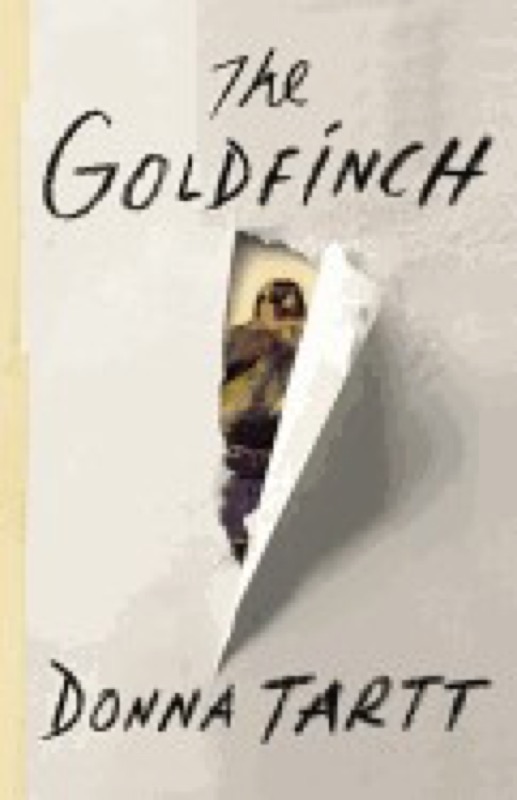
The Goldfinch
Hook & thesis
Donna Tartt’s The Goldfinch is a sprawling exploration of grief and identity woven through the lens of a stolen masterpiece. The novel’s true engine lies in its examination of how trauma shapes our choices and the lengths we go to find beauty amidst chaos. Verdict: Tartt masterfully crafts a narrative that is both haunting and illuminating, though its ambition sometimes overshadows its execution.
The contextual pivot
In the realm of dark thrillers, The Goldfinch occupies a unique space that intertwines elements of coming-of-age and crime fiction. Tartt’s narrative ambition aligns with authors like Donna Tartt’s earlier work, The Secret History, yet diverges into a more expansive, almost sprawling tale that seeks to capture the complexities of art and loss. The invisible audience is likely comprised of readers who resonate with themes of existential struggle and artistic obsession, bridging niche elements of literary fiction with broader appeal through its rich character development and suspenseful plotting.
Deep-dive critique
Tartt’s structural choice to employ a first-person narrative through the eyes of Theo Decker allows readers to intimately experience his descent into darkness following a traumatic event. This perspective is both its strength and weakness; while it creates a deeply personal connection, it occasionally confines the narrative’s scope, limiting the exploration of secondary characters who could enhance the central themes. The pacing, particularly in the middle sections, tends to sag under the weight of excessive detail, yet the lush prose compensates with vivid imagery that brings the artwork and its surrounding chaos to life.
Thematically, The Goldfinch succeeds in illustrating the duality of beauty and horror — art becomes both a refuge and a source of obsession for Theo. The dialogue often sparkles with wit and insight, reflecting Tartt’s keen understanding of her characters’ psyches. However, the novel’s ending feels somewhat unearned, as it leans heavily on the idea of redemption without fully satisfying the tension built throughout the narrative. Readers are left pondering the implications of Theo’s choices, suggesting that the quest for meaning in a fractured world may remain ultimately unresolved.
Discussion launchpad
The polarities in The Goldfinch invite rich discussion about the nature of trauma and the morality of obsession. Tartt’s blending of genres may appeal to some while alienating others who prefer a more straightforward thriller.
Questions for the room:
- Does Tartt’s prose enhance or detract from the pacing of the story?
- How does Theo’s character development reflect broader themes of identity and loss?
- In what ways does the novel’s portrayal of art influence our understanding of beauty and trauma?
- Is the ending satisfactory in its resolution, or does it fall short of the narrative’s depth?
- How does the novel compare to other dark thrillers in its treatment of violence and morality?
#LiteraryAnalysis #darkthriller #art #loss #coming-of-age #theorchidroom