
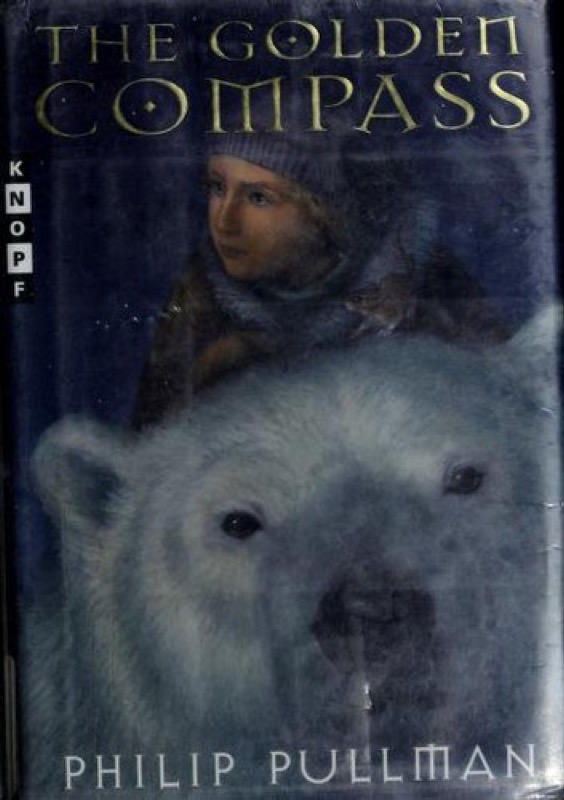
The Golden Compass (His Dark Materials, #1)
His Dark Materials, #1
Hook & thesis
Philip Pullman’s The Golden Compass is a masterful blend of fantasy and philosophical inquiry that unravels the complexities of consciousness and morality through the lens of a young girl’s journey. Verdict: This book is a daring exploration of the human spirit, revealing the nuanced dance between innocence and corruption.
The contextual pivot
Nestled within the realm of fantasy, The Golden Compass stands as a cornerstone of the genre, alongside works like C.S. Lewis’s The Chronicles of Narnia and J.K. Rowling’s Harry Potter series. However, Pullman’s narrative diverges sharply, offering a darker, more introspective take on the coming-of-age trope, where the stakes are not merely personal growth but the very fabric of existence. The book appeals to an invisible audience, those who seek not just adventure but philosophical depth, bridging niche tropes of speculative fiction to a broader readership hungry for complexity in their escapism.
Deep-dive critique
Pullman’s craft is both intricate and deliberate; the structure of The Golden Compass unfolds like a tapestry, weaving together multiple layers of narrative and perspective. The pacing is expertly managed, with a gradual build-up of tension that mirrors Lyra’s own journey from innocence to awareness. The third-person limited point of view allows readers to intimately connect with Lyra’s thoughts and emotions while maintaining a sense of mystery about the world around her.
The prose, rich with metaphor and imagery, engenders a sense of wonder and foreboding. For example, the daemons—physical manifestations of a person’s soul—serve not only as companions but as mirrors reflecting their human counterparts’ inner conflicts. This innovative world-building emerges as a thematic cornerstone, exploring identity, loyalty, and the moral dilemmas faced when confronting authority. However, Pullman occasionally falters in dialogue; some exchanges feel overly expository, detracting from the organic flow of character interactions.
The ending, while climactic, leaves readers with a profound sense of ambiguity that is earned through the narrative’s exploration of free will versus destiny. It invites contemplation rather than resolution, challenging readers to grapple with the implications of Lyra’s choices and the realities of the multiverse.
Discussion launchpad
The Golden Compass presents polarities that could ignite fervent discussion on morality, faith, and the essence of humanity. Pullman’s choices invite both admiration and critique, as the book navigates complex themes with a light touch that may not satisfy all readers.
Questions for the room:
- Does Pullman successfully balance the philosophical themes with the narrative, or does one overshadow the other?
- How do the daemons function as a metaphor for personal identity, and do they resonate with modern readers?
- In what ways does the book’s ambiguity enhance or detract from its impact?
- How does Pullman’s representation of authority challenge or conform to traditional fantasy tropes?
- What role does Lyra’s gender play in her journey and the choices she makes?
#TheOrchidRoom #fantasyromance #darkromance #comingofage #HisDarkMaterials