
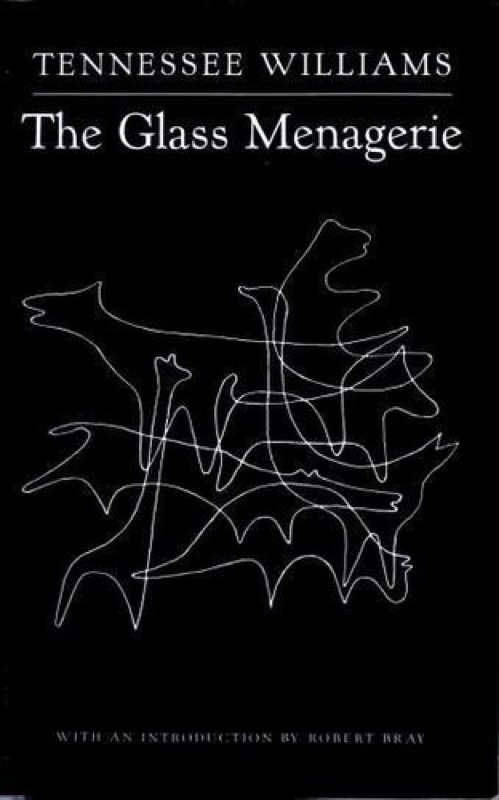
The Glass Menagerie
Hook & thesis
Tennessee Williams’ The Glass Menagerie is a poignant exploration of memory, longing, and the suffocating grip of familial duty. Verdict: This is a haunting narrative that masterfully intertwines illusion and reality, revealing the tragic fragility of human connections.
The contextual pivot
Situated firmly within the gothic-horror-romance genre, The Glass Menagerie channels the ethereal beauty of memory as both a refuge and a prison. Williams crafts a world that teeters on the brink of the surreal, where the invisible audience is likely one that embraces the intricacies of familial dysfunction and the haunting nature of regret. His work often reflects themes of escape and desire, paralleling the emotional landscapes of authors like Virginia Woolf and F. Scott Fitzgerald, yet it remains uniquely tied to the Southern Gothic tradition, steeped in its own haunting realism.
Deep-dive critique
The structure of The Glass Menagerie is pivotal, utilizing a memory play format that allows Williams to intertwine the past with the present seamlessly. The use of a non-linear timeline serves to underscore the protagonists’ psychological states, creating a palpable tension between aspiration and despair. Tom Wingfield, as the unreliable narrator, blurs the lines between memory and reality, encapsulating the essence of longing and entrapment that pervades the narrative.
Williams’ prose shines with lyrical beauty, yet it carries an undercurrent of melancholy that resonates deeply. Characters are vividly drawn, particularly Laura, whose fragility is mirrored in her collection of glass animals—delicate, beautiful, yet ultimately shattering. The dialogue is sharp and laden with subtext, revealing characters’ desires even as they navigate the complexities of their relationships. However, the reliance on memory as a narrative device can create a dissonance, leaving readers grappling with the authenticity of the experiences relayed.
The ending, while poignant, raises questions about whether it is truly earned; it leaves a lingering ache that echoes the unresolved tension of the Wingfield family’s dynamics. In this way, Williams captures the essence of human experience—the simultaneous yearning for connection and the painful acknowledgment of its elusiveness.
Discussion launchpad
The Glass Menagerie showcases a rich tapestry of emotional undercurrents, inviting a critical examination of its themes and characters. Yet, the ambiguity surrounding memory and truth may provoke polarized discussions regarding the efficacy of this narrative approach.
Questions for the room:
- How does the concept of memory shape your interpretation of the characters’ motivations?
- In what ways does Williams challenge traditional representations of familial love?
- Does the play’s reliance on illusion enhance or detract from its emotional impact?
- How do you perceive the balance between despair and hope in the resolution of the play?
- What are the implications of Laura’s glass menagerie as a symbol in the context of family and personal identity?
#TheOrchidRoom #gothic #horrorromance #classic #drama