
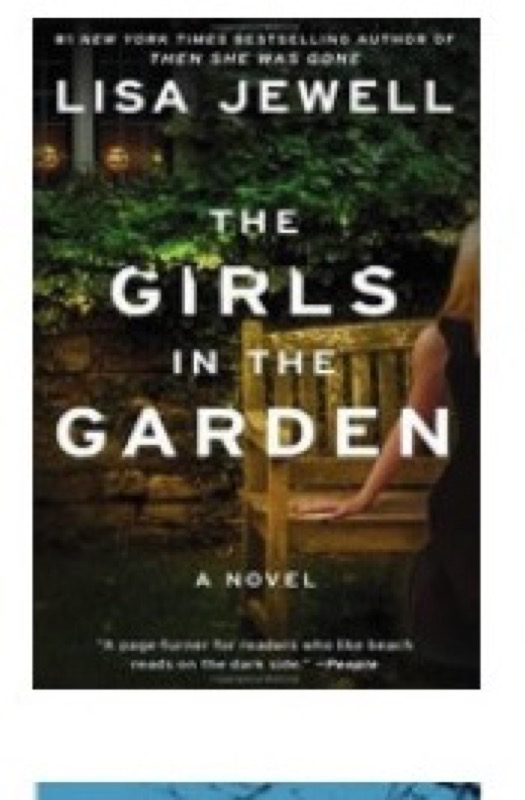
The Girls in the Garden
A Novel
Hook & thesis
Lisa Jewell’s The Girls in the Garden serves as a disquieting exploration of suburban innocence shattered by hidden malevolence. Verdict: This novel is a haunting testament to how facades can conceal profound darkness, revealing that the most sinister secrets often dwell just beneath the surface.
The contextual pivot
Within the realm of dark thrillers, Jewell’s work stands out by juxtaposing the idyllic imagery of suburban life with the raw undercurrents of trauma and violence. This narrative positions itself alongside authors like Gillian Flynn or Paula Hawkins, where the coziness of home transforms into a breeding ground for dread. Jewell’s writing effectively bridges niche tropes of domestic horror to a broader audience, making her themes accessible while still maintaining an unsettling edge that lingers long after the final page.
Deep-dive critique
The novel’s structure, with its dual timelines and shifting perspectives, crafts a layered understanding of the events that unfold within the garden—the setting itself becomes a character, embodying both beauty and danger. Jewell’s pacing excels in building tension, interspersing calm domesticity with sudden eruptions of violence, effectively mirroring the unpredictable nature of the characters’ lives. The dialogue feels authentic, capturing the nuances of suburban interactions while also hinting at underlying tensions. However, the characters occasionally fall into stereotypical roles, which could detract from the depth of their psychological portrayals.
The thematic exploration of teen trauma is particularly resonant, as Jewell deftly navigates the complexities of adolescence within a backdrop of secrecy and betrayal. Yet, the resolution may feel somewhat rushed, leaving certain plot threads tantalizingly unresolved—an element that could frustrate readers seeking closure. Overall, the novel’s craft succeeds in drawing readers into a world where innocence is irrevocably lost, though it occasionally falters in fully fleshing out its characters.
Discussion launchpad
The juxtaposition of suburban bliss against hidden darkness raises a multitude of questions about societal facades and individual responsibility. What happens when the quest for normalcy leads to the cover-up of egregious acts?
Questions for the room:
- Do you think the portrayal of adolescent trauma is authentic, or does it feel exaggerated for effect?
- How does Jewell’s portrayal of suburban life compare to other dark thrillers you’ve read?
- Is the ending of the novel satisfying in its ambiguity, or does it leave too many questions unresolved?
- What role does the garden play in the broader themes of the book—does it symbolize hope or despair?
#LiteraryAnalysis #GothicEdge #TheOrchidRoom #darkthriller #romanticsuspense