
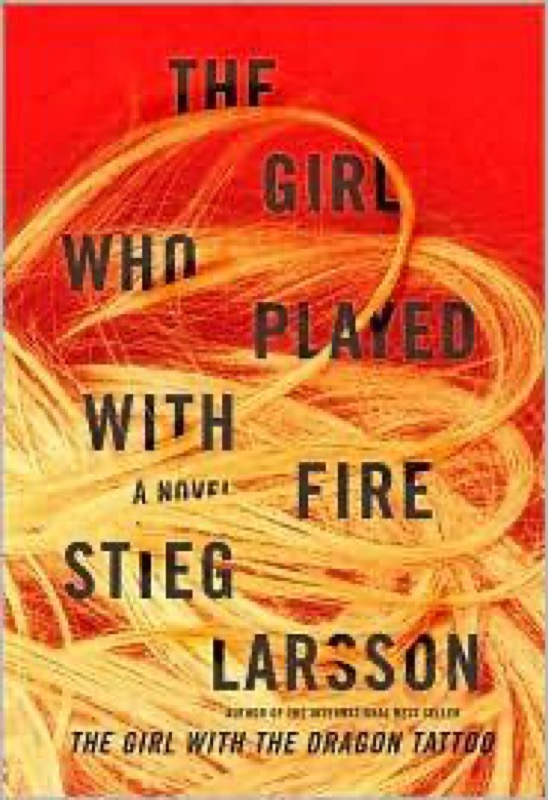
The Girl Who Played with Fire (Millennium #2)
Millennium #2
Hook & thesis
Stieg Larsson’s The Girl Who Played with Fire delves into the darkness of human nature through a gripping narrative that confronts themes of violence and justice. Verdict: This second installment of the Millennium series masterfully balances a taut suspense plot with profound societal critiques, making it an indispensable read for fans of the dark-thriller genre.
The contextual pivot
In the landscape of dark-thrillers, Larsson’s work stands out for its unflinching exploration of real-world issues such as misogyny and systemic corruption. Compared to contemporaries like Gillian Flynn, who also weaves complex female protagonists into narratives steeped in violence, Larsson’s Lisbeth Salander embodies a more raw and revolutionary spirit. The book caters to both niche audiences drawn to psychological thrillers and general readers interested in social commentary, effectively bridging the gap between genre-specific tropes and wider cultural conversations about gender and power dynamics.
Deep-dive critique
Larsson’s narrative structure employs a dual perspective, alternating between Lisbeth Salander and journalist Mikael Blomkvist, which enriches the story’s complexity by allowing readers to navigate the intersecting paths of their investigations. This choice enhances the pacing, particularly as the stakes escalate. The opening chapters, which expertly build tension, reveal the intricacies of Lisbeth’s character — a brilliant hacker with a traumatic past — while also delving into the societal implications of her actions.
However, while Larsson excels in crafting suspenseful scenarios, the dialogue occasionally falters, feeling expository rather than organic, particularly in scenes meant to convey critical backstory. Character motivations, particularly those of secondary characters, can sometimes feel underdeveloped, leaving the reader yearning for deeper exploration of their arcs. The ending, while dramatic, raises questions about narrative resolution and character justice, leaving a lingering sense of ambivalence that mirrors real-life complexity.
Discussion launchpad
Larsson’s bold exploration of dark themes invites a range of interpretations and discussions. The juxtaposition of Lisbeth’s vigilante justice against societal failings could ignite passionate debate about morality and empowerment.
Questions for the room:
- How does Larsson’s portrayal of violence impact your perception of the characters?
- In what ways does Lisbeth Salander challenge or conform to traditional female archetypes in thrillers?
- Does the ending of the book offer a satisfying resolution, or does it leave too many questions unanswered?
- How does the dual narrative structure affect your engagement with the plot?
- What role does societal critique play in your enjoyment of dark-thrillers like this one?
#LiteraryAnalysis #darkthriller #mystery #psychological #theorchidroom