
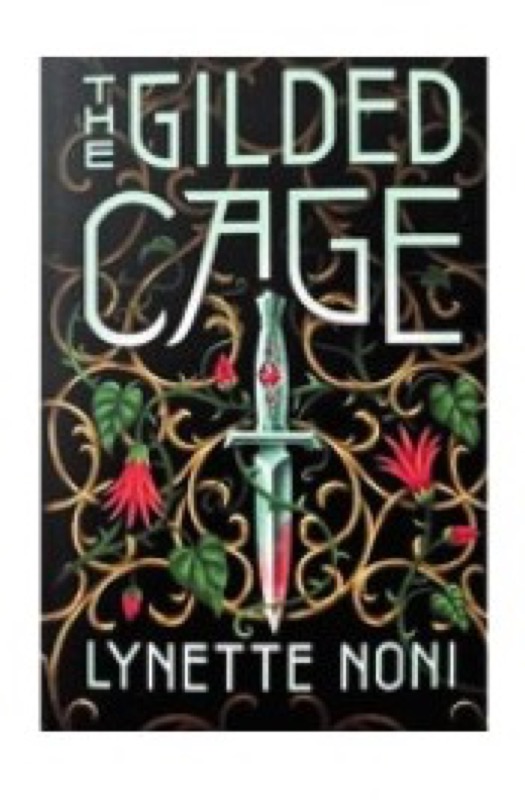
The Gilded Cage
The Prison Healer — Book Two
Hook & thesis
In “The Gilded Cage,” Lynette Noni plunges readers into the tumultuous depths of captivity and desire, where the struggle for autonomy becomes a dance with danger. Verdict: Noni’s skillful construction of tension and character depth ensures that this sequel transcends its genre, merging gothic romance with a profound exploration of the human spirit’s resilience.
The contextual pivot
As the second installment of the Prison Healer series, “The Gilded Cage” operates within the specialized realm of captor-and-captive narratives, a subgenre that often flirts with both dark romance and fantastical elements. Noni deftly bridges the gap between niche and mainstream by infusing her storyline with rich world-building and complex characters that resonate beyond their immediate circumstances. Readers familiar with authors like Sarah J. Maas or Jennifer Armentrout will find echoes of their work here, yet Noni’s unique voice elevates the genre by meticulously detailing the psychological and emotional stakes involved in captivity.
Deep-dive critique
Noni’s narrative structure employs a tight pacing that mirrors the urgency of the protagonist’s plight, shifting between moments of heart-wrenching vulnerability and fierce determination. The first-person point of view allows for intense introspection, drawing readers into the protagonist’s internal struggles, which are compounded by the external horrors of her captivity. Noni’s prose shines, particularly in her vivid descriptions of the oppressive environment and the dark magic that permeates the narrative, creating a palpable atmosphere of dread.
Character development is particularly noteworthy—each figure, from captor to captive, is imbued with a complexity that challenges binary notions of good and evil. Dialogue often crackles with tension, revealing hidden motivations and desires that further complicate relationships. However, while the thematic exploration of power dynamics and resilience is robust, certain plot devices lean heavily on tropes that may feel predictable for seasoned readers, suggesting an opportunity for greater originality in future installments. The resolution of the narrative arc, while satisfying, could benefit from deeper emotional resonance, as some character transformations feel abruptly earned rather than organically developed.
Discussion launchpad
The interplay of captivity and desire raises several compelling questions about agency and autonomy in relationships. Noni’s exploration of dark themes invites readers to reflect on their implications within the broader narrative landscape.
Questions for the room:
- How does Noni’s portrayal of captivity challenge or conform to traditional tropes in the genre?
- In what ways do the characters’ motivations complicate our understanding of heroism and villainy?
- Can the use of dark magic in the narrative be seen as a metaphor for emotional manipulation in relationships?
- What role does world-building play in enhancing or detracting from character development throughout the series?
- How effectively does the resolution of the story reflect the protagonist’s growth or lack thereof?
#TheOrchidRoom #GildedCage #LynetteNoni #DarkRomance #Captivity