
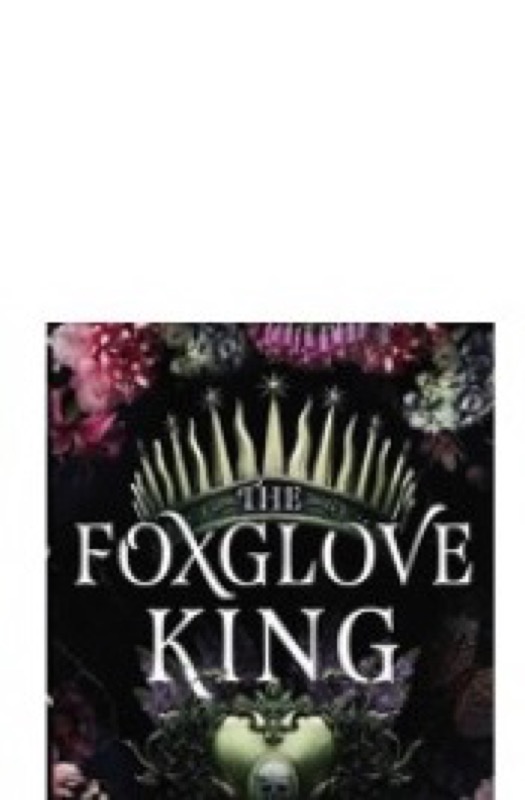
The Foxglove King
Hook & thesis
Hannah Whitten’s The Foxglove King intertwines the haunting allure of dark magic with the fervent entanglements of desire, crafting a world where love and peril are inextricably linked. Verdict: This novel seduces with its lush prose and intricate character dynamics, but falters under the weight of its own ambitious scope.
The contextual pivot
Nestled within the fantasy-romance genre, The Foxglove King carves a niche that straddles the realms of romantic tension and supernatural intrigue. Whitten’s work joins the ranks of authors like Sarah J. Maas and Naomi Novik, who deftly blend romance with darker themes and moral ambiguity. While the book appeals to devoted fans of romantasy, it also has the potential to draw in general readers who crave depth in their love stories, making it a bridge between niche tropes and broader audiences. Whitten’s previous works hint at her ability to navigate complex emotional landscapes, and this novel further solidifies her prowess in evoking intense, visceral connections between characters.
Deep-dive critique
The novel demonstrates skillful world-building, with Whitten’s prose enveloping readers in a richly imagined landscape where flora and magic intertwine. The use of first-person perspective allows for intimate character exploration, especially regarding the protagonist’s internal struggles with her identity and desires. However, this commitment to a singular perspective can sometimes hinder the narrative’s pacing, leading to moments where the tension dissipates rather than escalates.
Whitten excels in crafting dialogue that crackles with chemistry, particularly between the protagonist and her love interests, yet some secondary characters feel underdeveloped, lacking the same emotional depth that drives the primary plot. The thematic exploration of power dynamics in relationships is compelling, representing a nuanced take on consent and agency, but it occasionally veers into predictable territory, risking the freshness of its conflict.
The climax ultimately delivers a satisfying resolution, grounded in character choices rather than sheer coincidence, yet it leaves lingering questions that challenge the reader’s moral compass. The balance between emotional intensity and fantasy violence is handled deftly, though some readers may find the emotional stakes overwhelming, bordering on melodrama.
Discussion launchpad
While The Foxglove King invites readers into a world of romance and magic, it raises polarizing questions about character development and narrative pacing. How does one reconcile the emotional weight of love against the backdrop of dark fantasy?
Questions for the room:
- Does the characterization of the love interests contribute to or detract from the protagonist’s journey?
- How effectively does Whitten balance the themes of power and consent within the romantic framework?
- In what ways does the pacing impact your overall engagement with the story?
- Are the stakes in the emotional conflicts sufficient to justify the fantastical violence?
- How does Whitten’s writing style influence your perception of the characters’ desires and motivations?
#TheOrchidRoom #TheFoxgloveKing #fantasyromance #darkromance #literaryanalysis