
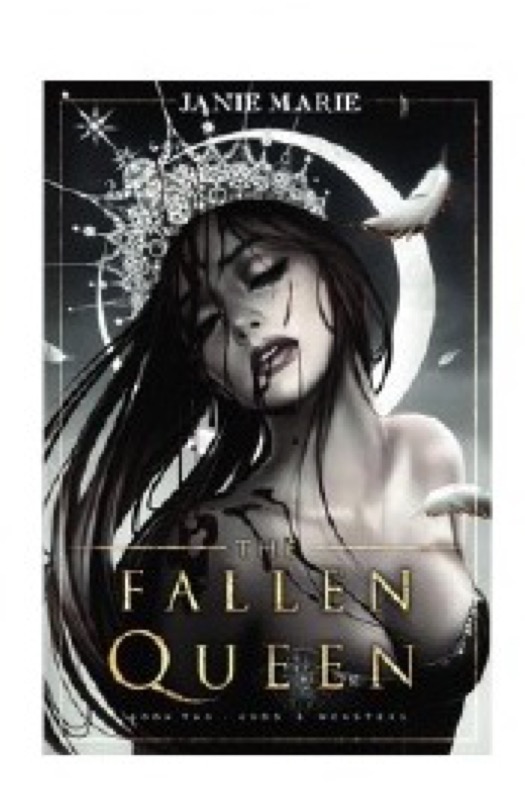
The Fallen Queen
Gods & Monsters
Hook & thesis
In Janie Marie’s The Fallen Queen, the author plunges readers into a world where desire intertwines with the macabre, exploring the delicate line between love and obsession. Verdict: This novel is a haunting, intoxicating exploration of grief that seduces and ensnares, revealing that the true monsters often lurk within our own hearts.
The contextual pivot
Positioned firmly within the gothic horror romance genre, The Fallen Queen subverts familiar tropes by blending the ethereal with the grotesque. Marie’s work echoes the atmospheric tension found in the writings of authors like Angela Carter and Anne Rice, yet it carves its own niche by infusing elements of dark mythology and personal sacrifice. The invisible audience for this work straddles both gothic aficionados and general readers drawn to tales of supernatural intrigue and deep emotional resonance. This bridging of niche and broader appeal allows the novel to resonate on multiple levels, inviting a diverse readership to confront the complexities of love and loss.
Deep-dive critique
Marie’s narrative structure deftly employs a non-linear timeline, accentuating the protagonist’s spiraling descent into obsession while beautifully mirroring the chaos of her internal conflict. This choice enhances the tension, as readers are thrust between past and present, feeling the weight of grief that haunts the characters. The first-person point of view further deepens the intimacy, allowing readers to inhabit the protagonist’s psyche and experience her turmoil viscerally.
The prose is rich and evocative, painting a landscape that is lush yet foreboding. Descriptions of blood imagery and dark magic are not mere embellishments but integral to the thematic undercurrents of the narrative. They serve not only to evoke horror but also to illustrate the protagonist’s transformation and the seductive nature of her desires. However, at times, the dialogue feels stilted, lacking the fluidity that would enhance character interactions. This slightly detracts from the otherwise captivating world-building, where each setting breathes life into the story’s gothic aesthetic.
The thematic exploration of obsession and grief is where the novel truly excels. It raises profound questions about the nature of love — can it exist without a touch of madness? The ending, while open to interpretation, feels both earned and unsettling, leaving readers to grapple with the consequences of the characters’ choices long after the final page is turned.
Discussion launchpad
Marie’s work teeters on the edge of romantic idealism and the grotesque, prompting a rich exploration of its darker themes.
Questions for the room:
- What are your thoughts on the portrayal of obsession in the novel? Does it romanticize unhealthy relationships?
- How does the non-linear structure enhance or hinder the emotional impact of the story?
- In what ways does the novel reflect or diverge from traditional gothic motifs?
- How do the content warnings shape your reading experience, and do they align with your expectations of the genre?
- What unresolved questions linger for you after the conclusion, and how do they affect your interpretation of the protagonist’s journey?
#TheOrchidRoom #TheFallenQueen #gothic #horrorromance #darkromantasy