
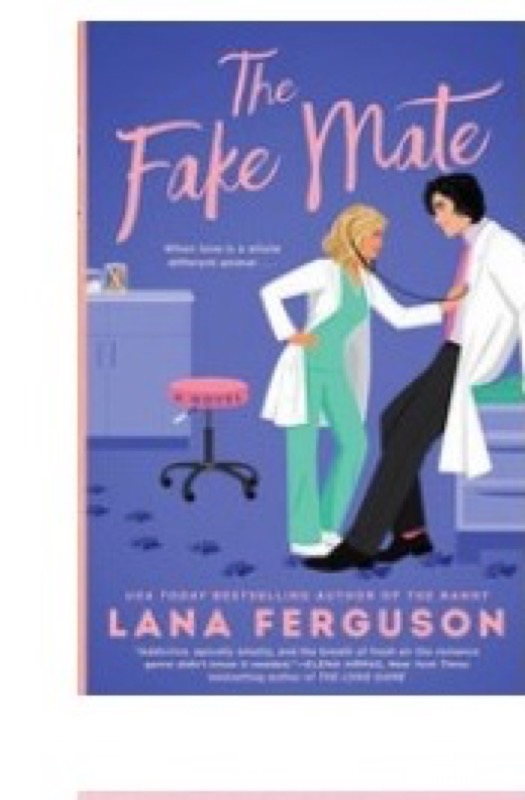
The Fake Mate
When love is a whole different animal.
Hook & thesis
In “The Fake Mate,” Lana Ferguson crafts a tantalizing exploration of identity and belonging within the fantasy-romance genre, using the trope of a fake relationship as the canvas for deeper emotional truths. Verdict: This novel is a provocative dance between the primal instincts of desire and the complexities of self-acceptance that leaves readers both breathless and contemplative.
The contextual pivot
Positioned firmly within the fantasy-romance landscape, Ferguson’s work draws on familiar elements of shifter lore and the complexities of paranormal relationships, akin to the works of authors like Sarah J. Maas and Jennifer Armentrout. The narrative deftly navigates the niche of dark romance while making it accessible to a broader audience, inviting readers unfamiliar with the genre to engage with its themes of vulnerability and transformation. Here, the invisible audience consists of those who crave not just the heat of romantic entanglements but also a genuine exploration of the characters’ internal conflicts amid their supernatural circumstances.
Deep-dive critique
Ferguson’s prose is both lyrical and sharp, adeptly capturing the tension between the protagonists as they navigate their fake relationship, which serves as a metaphor for deeper issues of authenticity and societal expectations. The pacing is deliberate; the story unfolds in a way that builds anticipation, with the tension simmering just beneath the surface before reaching a satisfying climax. The choice of a dual point-of-view enhances the narrative, allowing readers to grapple with the characters’ individual fears and desires, effectively blurring the lines between pretense and genuine affection.
However, some structural choices may detract from the overall impact; moments of internal monologue sometimes linger too long, potentially sacrificing momentum. Ferguson excels in world-building, conjuring a vivid backdrop that mirrors the characters’ tumultuous journey, though some secondary characters lack depth, occasionally feeling like mere vessels for the primary plot. The ending, while emotionally resonant, may leave some readers yearning for a more definitive closure, challenging the notion of what it means to truly find one’s mate in a world fraught with expectations.
Discussion launchpad
The novel cleverly juxtaposes the mask of a fake relationship against the rawness of true connection, inviting readers to question the nature of love itself.
- How do the characters’ journeys reflect contemporary struggles with identity?
- Does the pacing ultimately serve or hinder the emotional payoff?
- In what ways do the supernatural elements elevate or detract from the central themes?
Questions for the room:
- How does Ferguson’s treatment of the shifter trope innovate or conform to genre expectations?
- What are the implications of the characters hiding their true selves?
- Do you find the resolution of their conflict satisfying or lacking?
- How does the balance of humor and darkness affect your reading experience?
- What role does the setting play in shaping character development and thematic depth?
#TheOrchidRoom #fantasyromance #romantasy #darkromance #shifter #literaryanalysis