
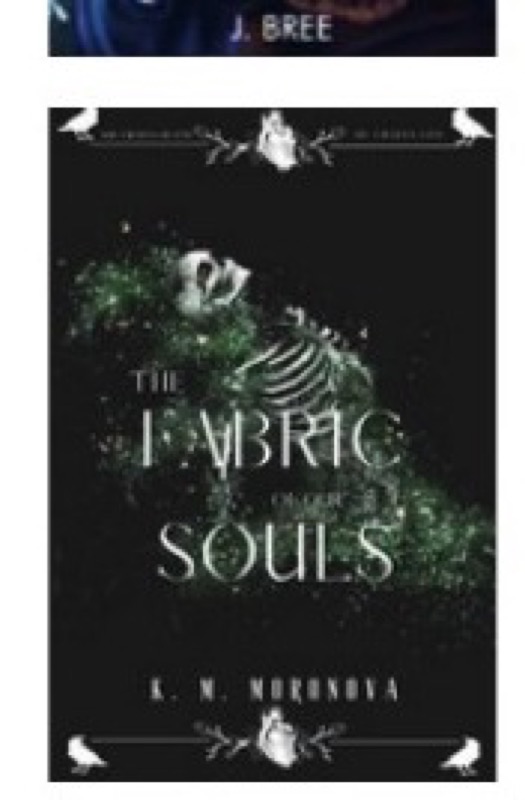
The Fabric of Our Souls
Hook & thesis
K.M. Moronova’s The Fabric of Our Souls intricately weaves a tapestry of desire and dread, exploring the haunting aftermath of love that transcends mortality. Verdict: This novel is a masterclass in atmospheric storytelling, where the interplay of sorrow and longing becomes an intoxicating dance that lingers in the mind long after the final page.
The contextual pivot
Situated firmly in the gothic-horror-romance genre, Moronova’s work resonates with the eerie elegance of classics such as Wuthering Heights and the visceral tension of Shirley Jackson’s The Haunting of Hill House. The author’s ability to blend profound emotional intimacy with unsettling supernatural elements positions this novel as an exploration of the human condition—specifically, the way love can haunt us, much like the spirits that linger in the shadows of their former lives. This book appeals to both dedicated gothic enthusiasts and general readers seeking a darkly romantic narrative, deftly bridging niche tropes with broader themes of loss and longing.
Deep-dive critique
Moronova’s prose is rich and evocative, painting a vivid landscape where the boundaries between the living and the dead blur. The structure of the novel, told through alternating perspectives, serves to deepen the complexity of the characters’ emotional entanglements, though at times the pacing can feel uneven as the narrative shifts between timelines. The first-person point of view enhances the reader’s immersion into the psyche of the protagonists, allowing for a raw exploration of their fears and desires.
Thematic success lies in the exploration of grief as a fabric that binds souls together, yet also ensnares them in a cycle of obsession. Dialogue between characters crackles with tension, revealing their vulnerabilities and the darkness that colors their relationships. However, the ending, while impactful, may leave some readers yearning for closure; it is both earned and yet deliberately ambiguous, inviting the reader to ponder the unresolved complexities of love and loss. This duality effectively echoes the novel’s central theme: that some souls are eternally woven together, even by threads of sorrow.
Discussion launchpad
Moronova’s narrative raises polarizing questions about the nature of love and obsession, leaving room for varied interpretations. Is love inherently tied to suffering, or can it exist independently of pain? The haunting atmosphere invites the reader to question the reliability of the characters’ perceptions and the choices they make.
Questions for the room:
- How does the author’s use of gothic elements enhance or detract from the emotional depth of the story?
- What do you think of the alternating perspectives—did they enrich the narrative or create confusion?
- In what ways does the depiction of grief inform our understanding of the characters’ motivations?
- How do you interpret the novel’s ending—does it provide closure or leave us with more questions?
- What role does setting play in shaping the characters’ relationships and desires throughout the narrative?
#TheOrchidRoom #gothic #horrorromance #thefabricofoursouls #literaryanalysis