
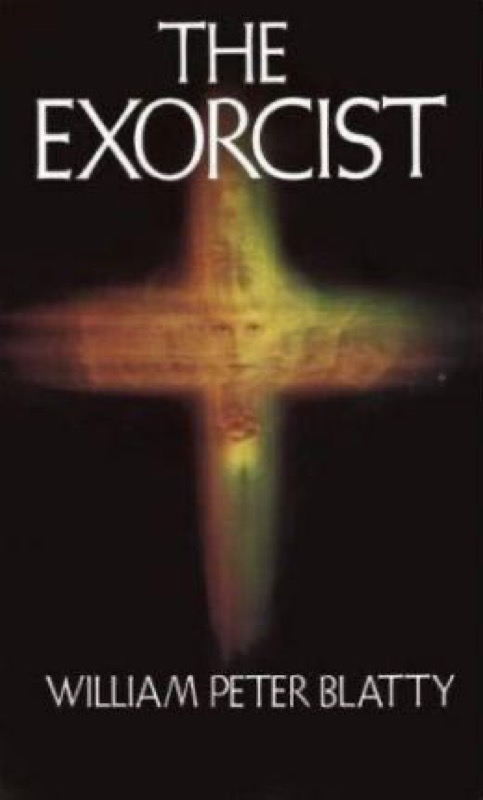
The Exorcist (The Exorcist, #1)
The Exorcist Series
Hook & thesis
William Peter Blatty’s The Exorcist plunges into the depths of despair and the struggle between good and evil, examining the fragility of faith under the grotesque weight of demonic possession. Verdict: This is not merely a horror story; it is an exploration of the human soul, and in its haunting prose, it leaves an indelible mark on the psyche of its readers.
The contextual pivot
In the landscape of gothic horror, The Exorcist stands as a towering figure, intertwining elements of psychological terror with religious existentialism. Blatty deftly bridges niche horror tropes with broader themes of morality, making this work accessible to both genre enthusiasts and general readers. It holds a unique position among contemporaries like Shirley Jackson and Stephen King, who also delve into the human experience through supernatural lenses, yet Blatty distinguishes himself with a focus on the psychological torment that accompanies faith and doubt. The invisible audience here grapples with their own beliefs and fears, inviting introspection alongside the chilling narrative.
Deep-dive critique
Blatty’s masterful use of structure enhances the thematic depth of The Exorcist. The pacing, particularly in the first half, builds suspense gradually, allowing readers to linger in a world that feels increasingly unsettling. The point of view oscillates between characters, creating a multifaceted understanding of the events while also establishing distance that heightens the horror. This choice, however, may backfire for some, as the shifting perspectives can dilute emotional investment in key characters, particularly Regan, the possessed child, whose suffering is both visceral and tragic.
The prose itself is rich and evocative, capturing the stark contrasts between the mundane and the grotesque. Blatty’s dialogue carries an authentic weight; the conversations between characters are steeped in tension and reveal the fragility of their beliefs. However, one could argue that some of the philosophical musings risk veering into didacticism, occasionally interrupting the narrative flow. Yet, it is this very examination of faith—its challenges and affirmations—that ultimately resonates powerfully, grounding the horror in something deeply human. The ending, although shocking, feels earned as it confronts the cost of salvation, leaving the reader with haunting questions about the nature of evil and the struggle for redemption.
Discussion launchpad
The polarities in The Exorcist are stark, inviting rich debate about faith, morality, and the human condition. The juxtaposition of horror elements with profound philosophical inquiries can split readers: some may find it a brilliant exploration, while others may see it as overly heavy-handed.
Questions for the room:
- How does Blatty’s portrayal of faith shape your understanding of the horror elements?
- In what ways does the character of Regan challenge traditional representations of innocence and evil?
- Do you think the philosophical dialogues enhance or detract from the narrative’s urgency?
- How does the duality of good and evil manifest in the characters’ journeys?
- What personal fears or beliefs does this story provoke in us as readers?
#TheOrchidRoom #gothic #horrorromance #psychological #religion