
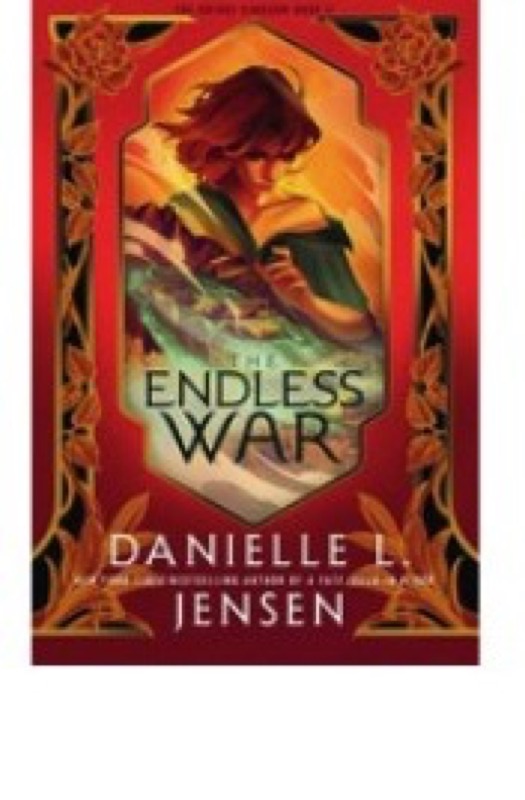
The Endless War
The Bridge Kingdom Book 4
Hook & thesis
In The Endless War, Danielle L. Jensen crafts a tapestry of love entwined with conflict, exploring the harrowing consequences of betrayal amidst a backdrop of relentless warfare. Verdict: This novel masterfully interlaces the heart’s desires with the brutality of war, leaving readers breathless and questioning the cost of loyalty and love.
The contextual pivot
Positioned within the fantasy-romance genre, The Endless War exists as the fourth installment in The Bridge Kingdom series, where Jensen deftly balances the intricacies of romantic entanglements with high-stakes conflict. This work is a rich continuation of her thematic exploration surrounding the duality of power and vulnerability, reminiscent of authors like Sarah J. Maas and Jennifer Armentrout, yet it carves its own niche by tackling the emotional toll of war with unflinching honesty. Jensen’s invisible audience resonates with those who crave complex characters embroiled in morally ambiguous decisions, appealing not only to established fans of romantic fantasy but also bridging the gap to readers who appreciate darker, more nuanced tales.
Deep-dive critique
Jensen’s structural choices—particularly her pacing and point of view—serve to heighten the novel’s tension and emotional depth. The dual perspectives allow readers to inhabit both protagonists’ minds, creating a rich tapestry of internal conflict that mirrors the external chaos of war. This technique immerses us in their desires and fears, making the stakes feel palpable. However, the pacing occasionally falters; moments of introspection sometimes meander, potentially dulling the urgency that the plot demands.
Character development shines in the protagonists, whose flaws and strengths are intricately woven into Jensen’s prose. The dialogue crackles with authenticity, often revealing much about the characters’ vulnerabilities and desires without resorting to exposition. Yet, certain supporting characters feel underdeveloped, leaving gaps that could have enriched the stakes of the central conflict. The world-building, though vivid, sometimes leans into familiar tropes of the genre, which may detract from the originality Jensen strives for.
The ending, while emotionally resonant, leaves some threads tantalizingly unresolved, inviting speculation about the characters’ futures. This choice is both a strength and a potential weakness, as it risks alienating readers who prefer closure in their narratives. However, for those who appreciate the complexities of life’s uncertainties, it serves as a powerful reminder of the ongoing nature of both war and love.
Discussion launchpad
The intricacies of The Endless War provoke a wealth of discussion, particularly regarding its portrayal of love intertwined with violence.
Questions for the room:
- How does Jensen’s exploration of betrayal challenge traditional romantic tropes?
- In what ways do the protagonists’ flaws enhance or detract from their relatability?
- Does the novel’s pacing ultimately serve the narrative, or does it undermine the tension of the storyline?
- How do you feel about the ending’s ambiguity—does it enrich the story or leave you wanting?
- What role does the setting play in shaping the characters’ experiences and choices throughout the novel?
#TheOrchidRoom #fantasyromance #darkromance #BridgeKingdom #literaryanalysis