
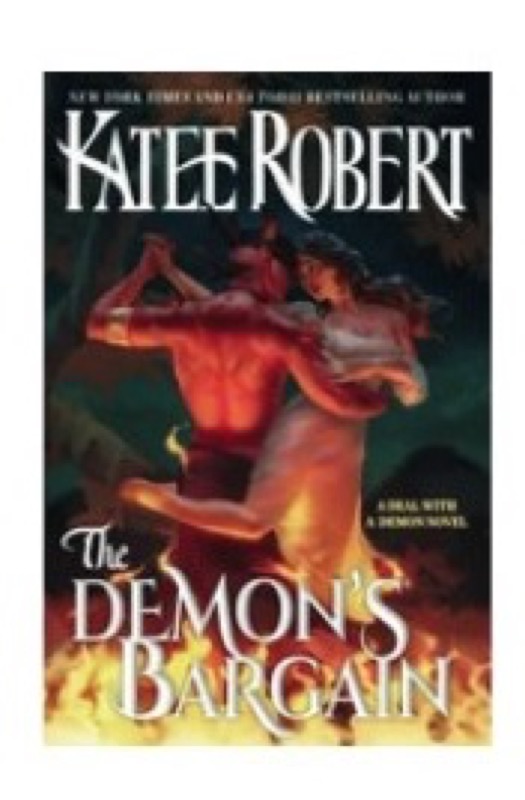
The Demon's Bargain
A Deal with a Demon Novel
Hook & thesis
In The Demon’s Bargain, Katee Robert deftly intertwines the allure of forbidden desire with the darker shades of supernatural contracts, crafting a narrative that unearths the complexities of power dynamics within relationships. Verdict: This book ignites a visceral exploration of consent and manipulation, artfully blurring the lines between love and obsession.
The contextual pivot
Nestled firmly within the fantasy-romance genre, Robert’s work resonates with echoes of authors like Sarah J. Maas and Jennifer L. Armentrout, yet distinctively channels a more gothic sensibility through its exploration of darker themes. The book reaches out to an audience comfortable with the exhilarating tension of “demon romance,” while cleverly bridging niche tropes to entice general readers as well. Robert’s ability to balance the ethereal with the corporeal positions her as a noteworthy voice in the landscape of contemporary romantic fantasy, where love often dances perilously close to danger.
Deep-dive critique
The novel’s structure plays a pivotal role in sustaining its tension, employing a dual narrative perspective that allows readers to navigate the conflicting desires of both protagonists. Robert’s pacing is deliberate; it mirrors the seductive build-up of anticipation, where each chapter feels like a carefully orchestrated waltz between lust and trepidation. The prose is lush yet concise, inviting readers to luxuriate in the sensory experiences of the characters without losing sight of their motivations.
Character development shines particularly in the protagonist’s internal struggle, illustrating her battle with autonomy and the seductive pull of the demon’s power. Dialogue crackles with tension, often layered with subtext that reveals deeper emotional stakes. However, the reliance on certain tropes, such as the “tortured demon,” risks veering into cliché territory; while Robert’s treatment is fresh, some readers may find themselves yearning for more nuanced depth in supporting characters.
Thematically, the book excels in its exploration of consent — particularly in the context of dubcon situations — challenging readers to grapple with uncomfortable truths about desire and agency. The ending, which balances resolution with lingering questions, feels both earned and provocative. It invites reflection on the nature of relationships built upon power exchanges, leaving readers with a tantalizing sense of ambiguity.
Discussion launchpad
The novel’s exploration of power dynamics and consent within relationships can open the floor for heated debates about morality in romance. How effectively does Robert navigate these treacherous waters without glorifying manipulation?
Questions for the room:
- How do you interpret the portrayal of consent in The Demon’s Bargain?
- Does the book romanticize dangerous relationships, or does it serve as a cautionary tale?
- In what ways does the dual narrative enhance or detract from the reader’s understanding of the characters’ motivations?
- What aspects of the world-building felt fully realized, and where did it fall short?
- How do you feel about the use of familiar tropes — do they enrich the story or hinder its originality?
#TheOrchidRoom #fantasyromance #darkromance #demon #literaryanalysis