
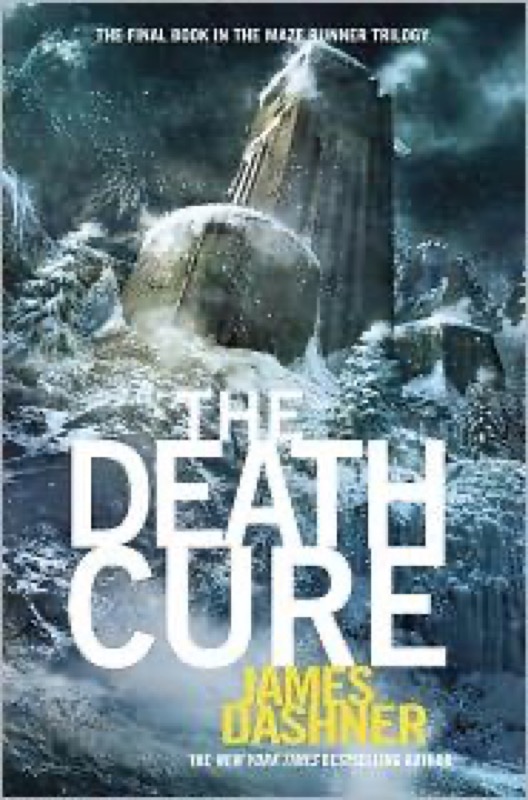
The Death Cure (The Maze Runner, #3)
The thrilling conclusion to the Maze Runner series
Hook & thesis
In James Dashner’s The Death Cure, the narrative thrusts readers into a harrowing exploration of loyalty, sacrifice, and the blurred lines of morality within a dystopian framework. Verdict: This final installment may falter in pacing, yet it ultimately succeeds in wrestling with the psychological ramifications of survival amidst chaos.
The contextual pivot
The Death Cure positions itself within the dark-thriller and dystopian genre, sitting alongside works like Suzanne Collins’ The Hunger Games and Veronica Roth’s Divergent. Dashner’s narrative, however, leans heavily into the psychological complexities of its characters, probing deeper into the moral quandaries faced by its young protagonists. Unlike its contemporaries, which often simplify the struggle between good and evil, Dashner crafts a more nuanced narrative, appealing to a young adult audience while still engaging mature readers with its heavy themes. The invisible audience here spans both young adults and older readers who appreciate a complex moral landscape, bridging niche tropes of survival and rebellion with deeper philosophical inquiries.
Deep-dive critique
The structure of The Death Cure is marked by a frenetic pacing that often undermines its thematic ambitions. The use of a close third-person perspective on protagonist Thomas effectively immerses readers in his emotional turmoil; however, the rapid shifts in timeline and setting can lead to moments of confusion. For instance, crucial events unfold at breakneck speed, leading to a sense of detachment from the weight of character decisions. Yet, Dashner excels in character development, particularly in portraying the frailty and resilience of human relationships under strain. The dialogue often feels authentic, reflecting the desperation and camaraderie among the characters, although it occasionally lapses into clichés that detract from its emotional heft. The world-building, while initially gripping, loses some coherence in this final book, as the stakes escalate without adequate groundwork laid for the consequences of these conflicts. The ending, while dramatic, raises questions about its earnability; does the resolution truly reflect the journey undertaken, or does it feel like a convenient tie-up of loose threads?
Discussion launchpad
Dashner’s conclusion invites polarities among readers, particularly regarding the balance between action and character development. There are moments where the relentless pace may alienate a segment of the audience that craves deeper introspection.
Questions for the room:
- Does the book effectively address the moral dilemmas it presents, or does it gloss over them in favor of action?
- How does the pacing impact your engagement with the characters and their choices?
- In what ways does The Death Cure succeed or fail in providing closure to its overarching themes?
- What are the implications of the characters’ sacrifices on the overall message of the series?
- Can the rapid shifts in plot be justified as a reflection of the chaotic world Dashner has created?
#LiteraryAnalysis #darkthriller #dystopia #suspense #theorchidroom