
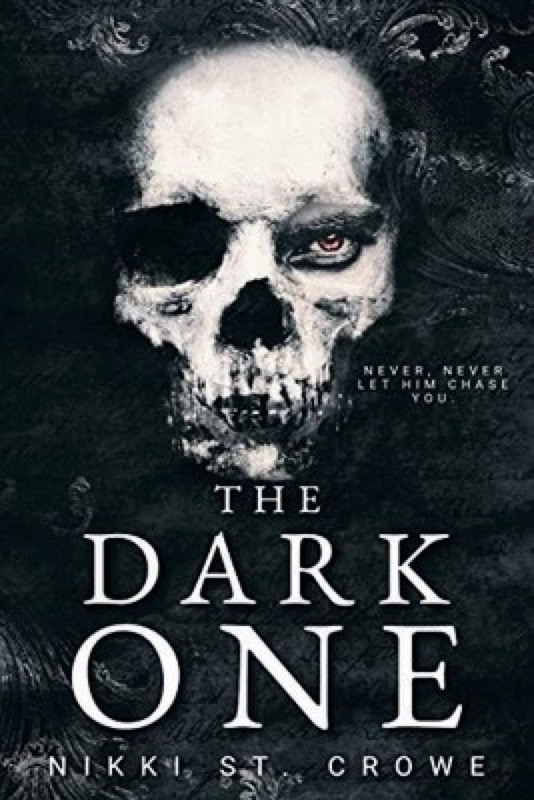
The Dark One
Never, never let him chase you.
Hook & thesis
In Nikki St. Crowe’s The Dark One, the interplay of desire and danger propels a gothic romance that lingers long after the final page. Verdict: This book masterfully entwines themes of obsession and predatory love, exposing the perilous allure of surrendering to one’s darkest fantasies.
The contextual pivot
Positioned within the vampire-paranormal genre, The Dark One stands out alongside authors like Anne Rice and Christine Feehan, who explored the seductive pull of the undead. St. Crowe’s work feels both familiar and fresh, drawing on established tropes while infusing them with a contemporary sensibility that invites a wider audience. The narrative appeals not only to die-hard fans of dark romance but also to readers seeking an exploration of the human psyche through the lens of supernatural elements. Here, the focus shifts from pure horror to the complexities of desire, weaving a tale that is as much about emotional entanglement as it is about bite and blood.
Deep-dive critique
St. Crowe employs a nonlinear timeline that heightens the tension and mirrors the characters’ tumultuous emotions. The choice of a close third-person viewpoint allows readers to slip into the protagonist’s psyche, effectively conveying the intoxicating mix of fear and longing that defines her relationship with the titular dark one. Dialogue is sparse yet impactful, with each exchange carrying the weight of unspoken desires and fears.
The prose is imbued with a rich, atmospheric quality that evokes a sense of dread and allure; descriptions of the shadowy world feel tangible, drawing the reader into an almost hypnotic state. However, this immersive style occasionally risks overshadowing character development, as certain secondary characters lack depth and nuance. The pacing, while generally effective, dips at points where introspection stalls the narrative momentum, potentially alienating readers eager for action.
Thematically, the exploration of obsession is both compelling and unsettling. St. Crowe crafts a narrative that does not shy away from the consequences of unchecked desire, with content warnings for stalking and predatory pursuit serving as a stark reminder of the fine line between love and obsession. The ending, while satisfying, leaves open questions about the characters’ choices, inviting the reader to ponder the ethics of their entanglements.
Discussion launchpad
The complex layers of The Dark One can ignite a lively debate on the nature of desire and consent within the narrative.
Questions for the room:
- How does St. Crowe’s use of obsession redefine traditional romantic tropes?
- In what ways does the setting enhance or detract from the characters’ emotional journeys?
- Can the portrayal of predatory love be reconciled with romantic ideals, or does it undermine them?
- How do the content warnings influence your reading experience and interpretation of the characters’ actions?
- What elements of the gothic genre are most effectively utilized here, and where do they falter?
#TheOrchidRoom #vampire #darkromance #literaryanalysis #TheDarkOne