
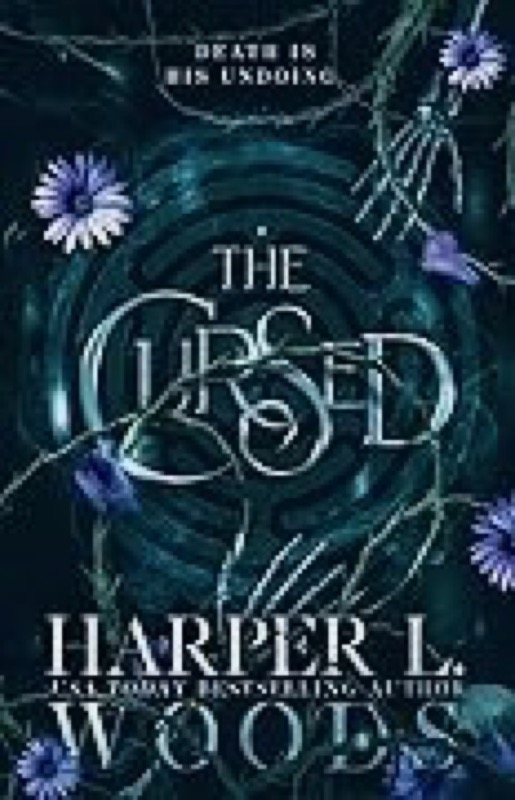
The Cursed
Death is his undoing.
Hook & thesis
In The Cursed, Harper L. Woods weaves a haunting narrative steeped in the allure of dark romance, where death serves not as an end, but as a catalyst for cursed desire. Verdict: This novel operates as a crucible for the complexities of love entangled with suffering, making it a compelling exploration of how deep-seated curses shape human connection.
The contextual pivot
Set within the vibrant landscape of vampire-paranormal fiction, The Cursed occupies a niche that straddles the line between gothic horror and dark romance. While it recalls the atmospheric tension found in works by Anne Rice and the emotional stakes of contemporary authors like Sarah J. Maas, Woods crafts her own unique tapestry, utilizing the vampire trope to delve into themes of longing, despair, and the supernatural consequences of love. The invisible audience here is likely to be those who revel in gothic aesthetics and crave stories that fuse sensuality with the macabre, thus bridging niche elements to engage general readers who yearn for depth in their escapism.
Deep-dive critique
Woods’ structural choices merit examination, particularly her use of a non-linear timeline that reflects the protagonist’s psychological state. By weaving back and forth through memories and present experiences, the narrative mirrors the labyrinthine journey of the cursed hero, effectively establishing a pervasive sense of dread and desire. The pacing, while at times languorous, ultimately serves to heighten the tension surrounding the protagonist’s fate, drawing the reader deeper into the emotional and physical labyrinth she navigates.
The prose is lyrical yet haunting, peppered with skeletal imagery that underscores the themes of death and decay. For instance, descriptions of the cursed hero’s surroundings are rife with vivid contrasts—lush, overgrown settings juxtaposed against the stark reality of loss. This interplay of beauty and horror amplifies the emotional stakes, inviting readers to engage with the protagonist’s plight on multiple levels.
However, the dialogue occasionally falters, leaning into melodrama that could detract from the otherwise rich character development. Moments of vulnerability can feel forced, threatening to undermine the authenticity of the connections formed throughout the narrative. While the ending is thematically resonant, readers may find it divisive—some may view it as a poignant closure, while others might argue it feels unearned, raising questions about resolution in the face of ongoing curses.
Discussion launchpad
The novel presents several polarizing elements worthy of debate, including the balance of romantic tension against the backdrop of horror, and the ethics of love born from curses.
Questions for the room:
- How does the non-linear timeline impact your connection to the characters?
- Do you find the resolution satisfying, or does it leave too many threads unresolved?
- In what ways does the portrayal of the curse reflect on contemporary relationships?
- How effectively does Woods balance the elements of horror with those of romance?
- What role does the setting play in shaping the narrative’s emotional landscape?
#TheOrchidRoom #vampire #darkromance #gothic #TheCursed