
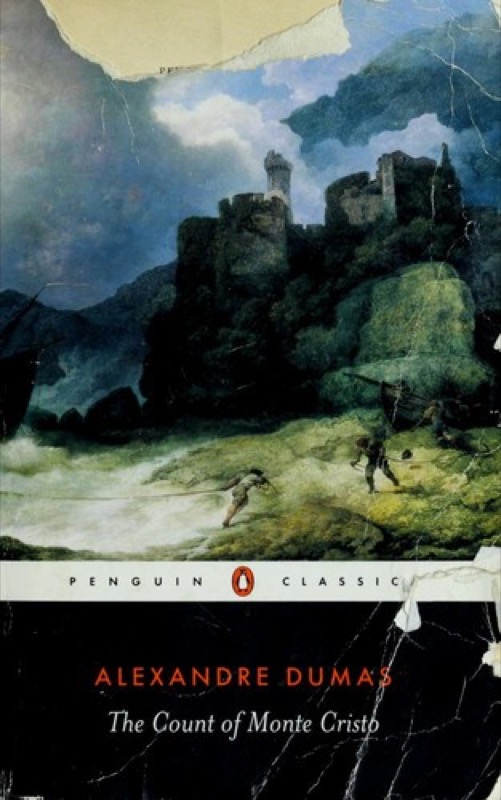
The Count of Monte Cristo
A tale of an innocent man wrongfully imprisoned who seeks revenge against those who betrayed him.
Hook & thesis
In Alexandre Dumas’ The Count of Monte Cristo, the author masterfully weaves a tale of revenge that underscores the complexities of justice and morality. Verdict: The novel compellingly illustrates how the quest for vengeance can lead to self-destruction, revealing the duality of human nature and the consequences of unchecked ambition.
The contextual pivot
Positioned within the adventure and historical fiction genres, Dumas’ narrative stands as a hallmark of classic literature. The novel bridges the gap between niche tales of retribution and a broader audience through its rich character development and intricate plot. Dumas, known for his dynamic storytelling in works like The Three Musketeers, captures the essence of the human experience, making this story resonate beyond its time. Readers from various backgrounds can relate to themes of betrayal and redemption, showcasing the author’s intent to explore the darker sides of humanity.
Deep-dive critique
The structure of The Count of Monte Cristo employs a non-linear timeline that enhances the theme of revenge. Dumas utilizes multiple points of view to provide depth to characters, particularly Edmond Dantès, whose transformation from innocent sailor to vengeful count is pivotal. The pacing fluctuates effectively, with moments of intense action juxtaposed against quieter, contemplative passages that allow readers to reflect on Dantès’ moral dilemmas.
However, some mechanical flaws can be noted in the dialogue; at times, it feels verbose or melodramatic, potentially detracting from the emotional weight of certain scenes. The world-building is richly detailed, immersing readers in the historical context of 19th-century France, though some characters occasionally lack depth, serving more as plot devices than fully realized individuals. The concluding resolution is both satisfying and plausible, as Dantès ultimately learns that forgiveness can be more liberating than revenge, culminating in an earned ending.
Discussion launchpad
The themes of revenge and justice in The Count of Monte Cristo can ignite passionate debates. While some readers may find the pursuit of vengeance justified, others may argue that it leads to moral decay.
Questions for the room:
- Is Dantès a hero or a tragic figure?
- How does Dumas portray the concept of justice throughout the novel?
- In what ways does the story reflect the societal values of Dumas’ time?
- Can true redemption be achieved, or does the cycle of revenge negate it?
- How does the novel’s ending shape our understanding of Dantès’ journey?
#LitClass #Grade11 #RequiredReading #classic #revenge