
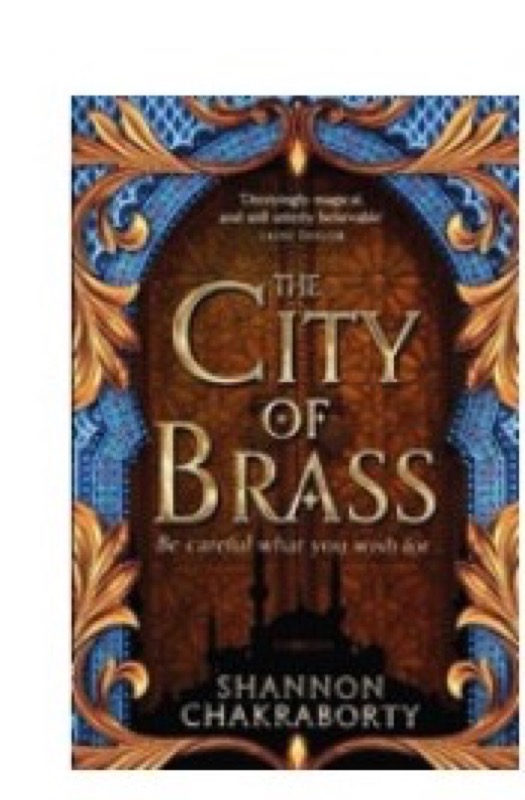
The City of Brass
Hook & thesis
Shannon Chakraborty’s The City of Brass melds intricate world-building with layered character dynamics, creating a tale that reverberates with desire and the harsh realities of power. Verdict: This fantasy-romance is a compelling exploration of identity and belonging, cloaked in the shadows of political intrigue and mythic wonder.
The contextual pivot
Positioned within the burgeoning landscape of contemporary fantasy, The City of Brass draws from rich Middle Eastern folklore, particularly the lore surrounding djinn and the historical complexities of colonialism. Chakraborty’s unique narrative stands alongside works by authors like N.K. Jemisin and S.A. Chakraborty, who similarly navigate the intersections of magic and societal hierarchies. The book transcends niche tropes, appealing to both fantasy aficionados and general readers alike, as it weaves a narrative that questions power dynamics and cultural heritage through its protagonists’ struggles.
Deep-dive critique
Chakraborty employs a multi-layered narrative structure that shifts perspectives, allowing readers a glimpse into the minds of both the protagonists and antagonists. This technique not only enhances emotional investment but also deepens the thematic resonance of power and betrayal. The pacing, particularly in the second act, teeters on the edge of tension, almost overwhelming, as political machinations unfold. Yet, this is precisely where the book excels; the sense of urgency propels the reader through the intricacies of Daevabad, a city that feels alive with its own secrets and histories.
Characterization is a standout aspect of Chakraborty’s craft. Nahri, the female lead, embodies the struggle of the displaced, grappling with her newfound powers and the expectations that accompany them. Through her journey, Chakraborty addresses broader themes of colonial identity and self-discovery, making Nahri’s conflict not just personal but also universal. Conversely, the dialogue can feel somewhat expository at times, at odds with the otherwise rich prose. Still, the lush world-building—detailed streets, vibrant cultures, and the weight of history—remains a triumph. The ending, while satisfying, leaves threads tantalizingly loose, inviting readers to ponder the implications of choice and consequence.
Discussion launchpad
The interplay between magic and morality creates room for significant debate within the group, as does the treatment of colonial themes in a fantastical context. Questions for the room:
- How does Chakraborty’s depiction of power dynamics reflect contemporary societal issues?
- In what ways does the intersection of fantasy and political intrigue enhance or detract from character development?
- To what extent does Nahri’s journey resonate with real-world issues of identity and belonging?
- How effective is the dual perspective in conveying the complexities of the narrative?
- What are the implications of an ending that leaves certain conflicts unresolved?
#TheOrchidRoom #fantasyromance #darkromance #djinn #Daevabad