
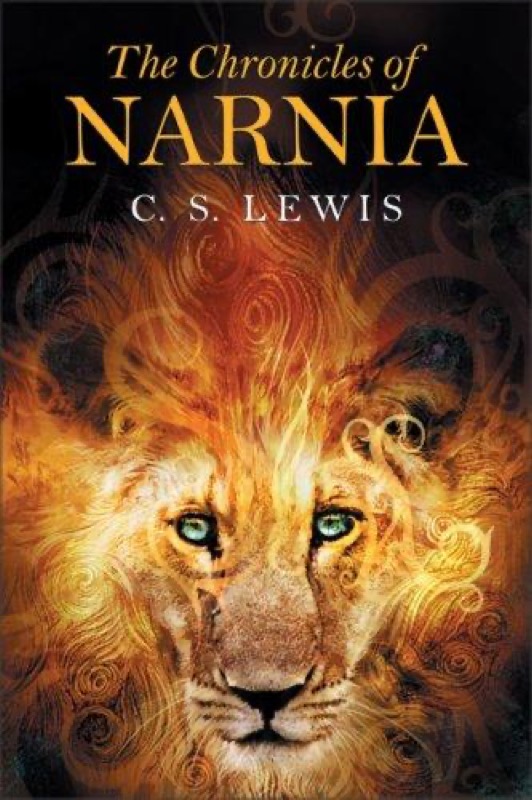
The Chronicles of Narnia (The Chronicles of Narnia, #1-7)
The complete collection of C.S. Lewis's beloved fantasy series.
Hook & thesis
C.S. Lewis’s “The Chronicles of Narnia” transcends mere children’s fantasy, exploring the profound interplay of innocence, faith, and sacrifice. Verdict: This series is not just a portal to enchantment; it is a haunting exploration of morality cloaked in the guise of adventure.
The contextual pivot
Nestled within the fantasy genre, Lewis’s work emerges as a seminal piece that bridges the gap between youthful innocence and complex ethical dilemmas. As a cornerstone of children’s literature, it stands alongside the likes of J.R.R. Tolkien and Philip Pullman, yet it uniquely caters to both children and adults through its rich allegorical layers. The invisible audience encompasses those longing for adventure while grappling with deeper philosophical questions, making the series a timeless journey that resonates across generations.
Deep-dive critique
The narrative structure of Narnia is both captivating and multifaceted, employing a blend of third-person omniscient and limited perspectives that invite readers into the internal struggles of its characters. The pacing varies, with some tales briskly advancing while others linger in richly described landscapes, echoing the tension between the transient nature of childhood and the permanence of moral choices.
Characterization is one of Lewis’s triumphs; the Pevensie siblings, especially Lucy, embody the innocence and curiosity of youth, while Aslan represents a complex figure of authority and sacrifice. Dialogue often reveals deeper truths, though at times it can feel overtly didactic, risking the subtlety of the underlying themes. The world-building in Narnia is lush, with its blend of myth and allegory creating a realm that is both familiar and otherworldly, allowing readers to grapple with profound existential queries amidst the fantastical elements.
However, the series does stumble in its treatment of female characters, particularly in the later books, where their roles often shift towards more traditional, less empowered archetypes. The resolution in each story, while often uplifting, sometimes feels overly simplistic, leaving the reader craving a more nuanced conclusion that mirrors the complexity of real-world moral dilemmas.
Discussion launchpad
Lewis’s work invites a rich tapestry of discussion, particularly around its moral implications versus its entertainment value. The series can polarize readers regarding its treatment of faith and authority in a fantastical setting.
Questions for the room:
- How do you interpret Aslan’s role as a Christ-like figure? Does this enhance or detract from the narrative?
- In what ways do the gender dynamics within the series reflect or challenge contemporary values?
- Are the moral lessons conveyed in Narnia still relevant today, or do they feel outdated?
- What aspects of Lewis’s world-building resonate with you, and where do you think it falters?
- How do the emotional stakes in Narnia compare with those in other fantasy series you’ve read?
#TheOrchidRoom #fantasyromance #darkromance #children’sliterature #literaryanalysis