
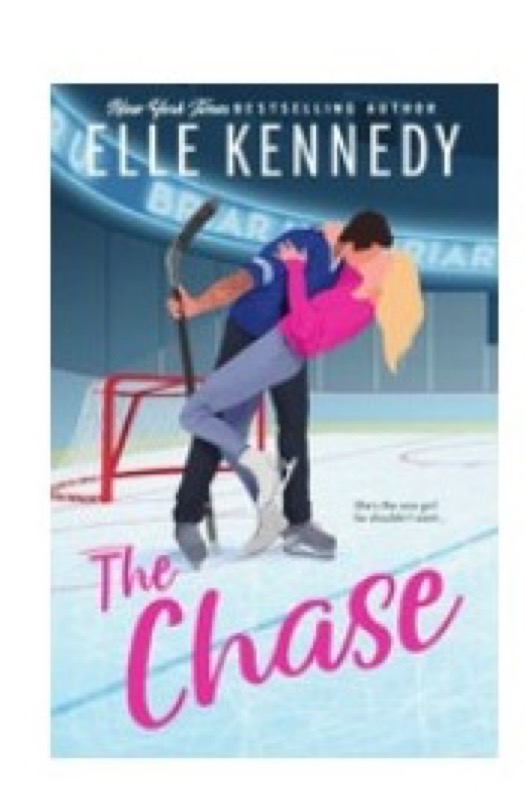
The Chase
She's the one girl he shouldn't want...
Hook & thesis
In Elle Kennedy’s The Chase, the author deftly explores the tempestuous terrain between desire and morality, positioning her characters within a world where the thrill of the forbidden fuels their fiery connection. Verdict: This novel, while engaging in its enemies-to-lovers trope, ultimately transcends its genre through a nuanced examination of the characters’ internal struggles and the societal expectations that bind them.
The contextual pivot
The Chase sits comfortably within the enemies-to-lovers subgenre of contemporary romance, but its layered narrative distinguishes it from other titles. Kennedy’s work resonates with readers familiar with the college romance landscape, yet she infuses it with a darker undertone that challenges typical romantic conventions. The book bridges niche tropes, appealing not only to dedicated fans of hockey and dark romance but also to a broader audience seeking depth beyond surface-level attraction. This positioning invites a conversation about the complexities of love when intertwined with rivalry and taboo.
Deep-dive critique
The novel’s structure employs alternating perspectives that enrich the exploration of both protagonists’ inner conflicts. By juxtaposing their views, Kennedy masterfully heightens tension, allowing readers to experience the push-and-pull dynamic of their relationship. The pacing, particularly in the early chapters, fosters a slow burn that amplifies the eventual explosion of passion — a clever choice that keeps readers yearning for resolution.
Character development is one of Kennedy’s strengths; both leads display a commendable blend of vulnerability and bravado. Dialogue crackles with wit, illuminating their banter while allowing space for deeper emotional revelations. However, there are moments where the prose slips into cliché, particularly in romantic gestures that feel formulaic, momentarily undermining the authenticity of their connection.
The thematic exploration of desire versus obligation resonates throughout the story, particularly as the characters navigate their feelings against the backdrop of friendship dynamics and societal pressure. The ending, while satisfying, feels somewhat rushed, leaving the reader craving a more profound resolution to the characters’ personal growth and external conflicts.
Discussion launchpad
While The Chase delivers an entertaining narrative, its handling of darker themes may polarize readers. Can the tension between illicit desire and moral implications coexist without trivializing either aspect?
Questions for the room:
- How effectively does Kennedy balance the lighter, romantic moments with the darker themes she introduces?
- In what ways do the characters’ backgrounds inform their actions and choices throughout the novel?
- Does the resolution feel earned, or does it skirt the complexities introduced earlier in the narrative?
- How does the setting of college and the sport of hockey contribute to the stakes of their relationship?
- Are the moments of levity sufficient to offset the darker elements, or do they detract from the overall impact?
#TheOrchidRoom #TheChase #enemiestolovers #darkromance #hockeyromance