
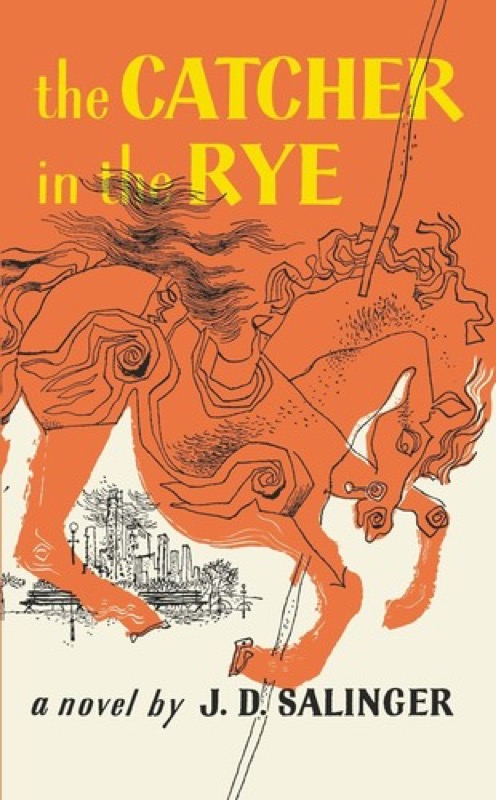
The Catcher in the Rye
Hook & thesis
J.D. Salinger’s The Catcher in the Rye explores the profound alienation and existential crises of its protagonist, Holden Caulfield, as he navigates the complexities of adolescence in post-war America. Verdict: This novel masterfully captures the essence of youthful disillusionment, making it a timeless examination of identity and societal expectations.
The contextual pivot
Salinger’s work straddles the line between literary fiction and the coming-of-age genre, often invoking comparisons to other 20th-century authors like F. Scott Fitzgerald and Ernest Hemingway. While The Catcher in the Rye resonates with readers through its exploration of isolation and rebellion, it uniquely positions itself within the post-World War II context, resonating with a generation seeking authenticity in a world rife with superficiality. The invisible audience includes teenagers grappling with their own identity crises, yet its exploration of universal themes of alienation appeals to a broader readership.
Deep-dive critique
The narrative structure of The Catcher in the Rye employs a first-person point of view, which creates an intimate connection between Holden and the reader, allowing for a deep exploration of his psyche. Salinger’s use of colloquial language and fragmented dialogue captures the disjointedness of Holden’s thoughts, effectively mirroring his internal turmoil. For instance, his frequent digressions and non-linear timeline reflect his chaotic mental state, which serves to enhance the thematic exploration of isolation. However, some critics argue that the repetitive nature of Holden’s rants can lead to pacing issues, occasionally detracting from the narrative momentum. The ending, while ambiguous, feels earned as it aligns with the novel’s overarching themes of uncertainty and the challenges of growing up.
Discussion launchpad
While Salinger’s portrayal of teenage angst has resonated with many, it also raises polarizing opinions about Holden’s character and the narrative’s pessimism. Some may find Holden’s cynicism relatable, while others may view it as self-indulgent.
Questions for the room:
- Does Holden Caulfield represent a universal adolescent experience, or is he an outlier?
- How effective is Salinger’s narrative style in conveying Holden’s mental health struggles?
- What role does setting play in reinforcing the themes of alienation?
- Can we sympathize with Holden, or does his behavior alienate the reader?
- How does the novel’s ambiguous ending reflect the realities of adulthood?
#LitClass #Grade11 #RequiredReading #comingofage #alienation