
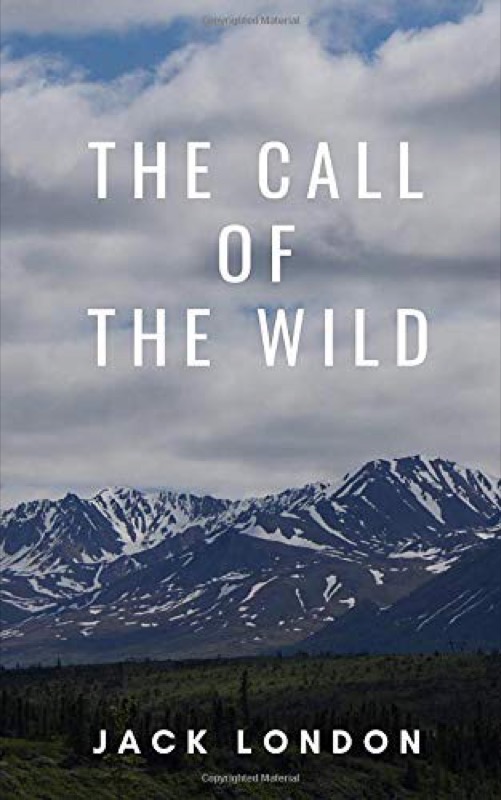
The Call of the Wild
Hook & thesis
Jack London’s The Call of the Wild transcends mere adventure narrative, delving into the primal instincts that drive both man and beast. Verdict: This novel is a poignant exploration of survival and identity, masterfully illustrating the struggle for dominance in a world stripped of civilization.
The contextual pivot
Positioned within the realm of dark thrillers, The Call of the Wild stands unique, with its blend of survival and adventure genres. London’s work often reflects the harsh realities of nature, much like his contemporaries Ernest Hemingway and Robert Louis Stevenson. However, where Hemingway’s protagonists grapple with existential crises, London’s Buck confronts the elemental struggle for existence itself. The invisible audience for this work encompasses both nature enthusiasts and readers seeking deeper philosophical inquiries masked within an adventure tale, bridging niche elements of animal protagonists to a broader literary audience.
Deep-dive critique
London’s use of structure is integral to the unfolding narrative; pacing is deliberately slow in the beginning, allowing readers to immerse themselves in Buck’s domesticated life before plunging into the wild. This technique heightens the impact of Buck’s transformation, as the timeline shifts dramatically, paralleling his journey from civilization to the feral wilderness. The point of view, primarily from Buck’s perspective, ingeniously evokes empathy, making the reader acutely aware of his internal struggles and instincts.
The prose excels in its vivid descriptions of the natural world, creating a rich tapestry that feels alive and unyielding. For instance, London’s anthropomorphism of Buck serves not just as a narrative device but as a vehicle to explore deeper themes of instinct versus civility. However, some dialogue feels stilted, particularly in human interactions, which occasionally distracts from the otherwise immersive experience. While the ending is undeniably earned, it raises questions about the cost of freedom and the nature of belonging, leaving readers emotionally resonant yet contemplative.
Discussion launchpad
The tension between civilization and the wild presents a captivating polarizing element, as some may argue for the inherent nobility of the wild, while others may lament the loss of civilization’s comforts.
Questions for the room:
- How does Buck’s journey reflect human societal structures and the instinctual drive within us all?
- In what ways does London’s portrayal of nature challenge or reinforce romantic notions of the wilderness?
- Is Buck’s ultimate return to the wild a triumph or a tragedy?
- How effectively does London’s prose serve the themes of survival and identity?
- Could the story’s impact be achieved without the anthropomorphism of Buck?
#LiteraryAnalysis #darkthriller #survival #adventure #TheOrchidRoom