
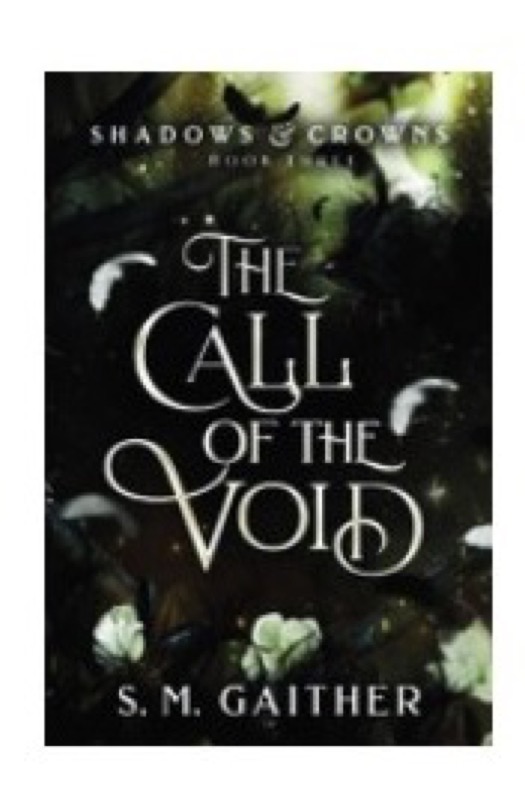
The Call of the Void
Shadows & Crowns — Book Three
Hook & thesis
In The Call of the Void, S. M. Gaither crafts a haunting exploration of obsession and the seductive nature of power set against a backdrop of dark magic and royal intrigue. Verdict: This book masterfully intertwines desire and destruction, revealing the shadows that lurk behind the allure of ambition.
The contextual pivot
As the third installment in the Shadows & Crowns series, The Call of the Void finds its niche in the fantasy-romance genre where tension and emotional stakes run high. Gaither’s work resonates with fans of authors like Sarah J. Maas and Holly Black, yet it weaves its own distinct threads of gothic atmosphere and psychological depth. The invisible audience likely includes those drawn to dark romance and fantasy, but Gaither’s prose channels broader themes of ambition and moral ambiguity, potentially appealing to general readers who appreciate complex characters and richly built worlds.
Deep-dive critique
In this novel, Gaither’s structure excels at maintaining a feverish pace, effectively using alternating perspectives to deepen the tension and underscore the protagonists’ intertwined fates. The timeline is non-linear, reflecting the characters’ tumultuous emotional landscapes, which enhances the themes of obsession and the cyclical nature of desire. The prose is lush and evocative, with imagery that immerses the reader in the visceral realities of both the void and the royal court, creating a palpable sense of danger and allure.
Character development shines through the nuanced portrayal of the protagonists, whose motivations are steeped in a blend of ambition and vulnerability. Dialogue crackles with tension and wit, propelling the narrative while revealing the characters’ inner conflicts. However, there are moments where the intricacies of the world-building can feel overwhelming, potentially alienating readers unfamiliar with the previous books in the series. While the ending is dramatic and thematically resonant, some might find it teetering on the edge of predictability, raising questions about whether the build-up truly earns its resolution.
Discussion launchpad
The interplay of light and dark in The Call of the Void raises fascinating polarities about ambition and morality. How do we reconcile the beauty of desire with the scars it leaves behind? The novel invites readers to consider the nature of power and obsession, leaving gaps for exploration in terms of character decisions and their broader implications.
Questions for the room:
- Does the portrayal of obsession in the book romanticize unhealthy relationships?
- How does Gaither’s use of dual perspectives enhance or complicate our understanding of the characters?
- In what ways does the dark magic serve as a metaphor for personal ambition?
- Are the stakes high enough to justify the characters’ actions?
- What unresolved themes linger after the final page?
#TheOrchidRoom #fantasyromance #darkromance #shadowsandcrowns #literaryanalysis