
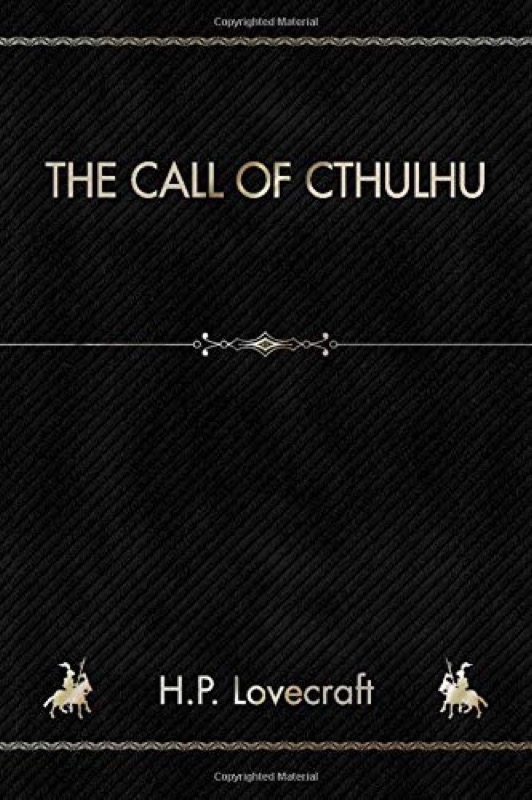
The Call of Cthulhu
A chilling exploration of the unknown and the madness it brings.
Hook & thesis
H.P. Lovecraft’s The Call of Cthulhu is not merely a tale of cosmic horror; it is a profound examination of human insignificance and the terror of the unknown. Verdict: Lovecraft crafts a chilling narrative that ensnares the reader in existential dread, making the unfathomable not only palpable but also hauntingly intimate.
The contextual pivot
Positioned firmly within the gothic-horror-romance genre, The Call of Cthulhu stands as a seminal work that reshapes our understanding of fear and the supernatural. Lovecraft’s oeuvre, characterized by its elaborate mythos and exploration of the cosmic unknown, serves as a precursor to the intricate world-building found in contemporary horror literature. This story bridges niche cosmic horror tropes to a broader audience through its philosophical inquiries into madness and the human psyche, appealing to both genre enthusiasts and literary explorers alike.
Deep-dive critique
Structurally, Lovecraft employs an intricate narrative style that unfolds through multiple perspectives, creating a tapestry of voices that enrich the central theme of existential dread. The pacing ebbs and flows, mirroring the protagonist’s descent into madness as he grapples with the incomprehensible. The first-person accounts juxtaposed with reports and artifacts create a chilling sense of realism, making the fantastic elements disturbingly plausible.
In terms of craft, Lovecraft’s prose ignites tension through deliberate ambiguity and rich, sensory detail. Descriptions of Cthulhu’s grotesque form and the eerie settings—like the sunken city of R’lyeh—serve not only to evoke horror but also to symbolize humanity’s fragile grasp on sanity. Dialogue, although sparse, carries heavy weight, often revealing the deep-seated fears and superstitions of the characters, which further amplifies the story’s tension.
However, some may argue that Lovecraft’s occasional lapses into racially charged language and his cultural biases detract from the story’s broader impact, introducing an uncomfortable discomfort that can overshadow the narrative’s strengths. This controversy surrounding his beliefs raises questions about whether the ending, steeped in existential resignation, is earned or merely a reflection of the author’s personal malaise.
Discussion launchpad
The polarities within The Call of Cthulhu revolve around its philosophical implications and the unsettling aspects of Lovecraft’s worldview. How do we reconcile the beauty of his prose with the discomfort of his prejudices?
Questions for the room:
- How does Lovecraft’s portrayal of madness resonate with contemporary discussions of mental health?
- In what ways does the story redefine the boundaries of horror, and does it transcend its genre?
- Can we separate the author from the work when considering the cultural biases evident in his writing?
- What role does cosmic horror play in shaping our understanding of fear in the modern world?
- How does Lovecraft’s vision of the unknown compare to the fears presented in today’s horror literature?
#TheOrchidRoom #gothic #horrorromance #Lovecraft #cosmichorror