
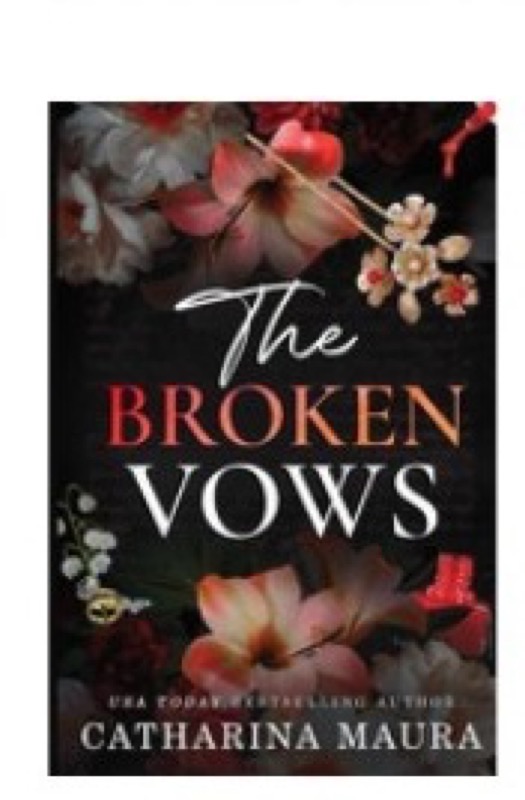
The Broken Vows
Hook & thesis
In The Broken Vows, Catharina Maura intricately weaves a narrative that explores the dark underbelly of desire and obligation within the confines of arranged marriage. Verdict: This novel masterfully exposes the tension between personal agency and societal expectation, making it a haunting exploration of love’s darker corners.
The contextual pivot
Set against the backdrop of contemporary romance, The Broken Vows finds its place amidst the arranged marriage trope, a subgenre often ripe with potential for exploration of power dynamics and emotional conflict. Catharina Maura stands alongside authors like Talia Hibbert and Anna Zaires, who also delve into the complexities of relationships shaped by external pressures. The book deftly bridges niche tropes, drawing in both dark romance enthusiasts and general readers through its rich character development and moral ambiguity. It invites an invisible audience who thrives on the psychological intricacies of love intertwined with manipulation and desperation.
Deep-dive critique
Maura’s craftsmanship shines through her use of structure and pacing, creating a narrative rhythm that mirrors the protagonist’s internal struggles. The nonlinear timeline allows for a gradual unveiling of character motivations, enhancing the emotional stakes. The dual points of view employed deepen our understanding of both lovers’ desires and fears, illuminating their vulnerabilities. Yet, while the prose is often lush and evocative, moments of dialogue occasionally falter, veering into cliché territory that detracts from the otherwise intense atmosphere.
Thematically, the novel excels in exploring emotional manipulation, with characters ensnared in a web of unspoken vows and conflicting loyalties. The tension between love and duty is palpable, crafted through vivid imagery and an undercurrent of angst that lingers throughout. However, the ending—though dramatic—feels somewhat rushed, leaving a sense of unresolved longing that might frustrate some readers. While this choice resonates thematically with the book’s exploration of broken promises, it risks alienating those who seek closure in their narratives.
Discussion launchpad
Catharina Maura’s narrative invites a multitude of polarizing discussions, particularly around the ethics of arranged marriages and the portrayal of emotional manipulation. Some readers may embrace the morally gray characters, while others could struggle with the lack of clear heroes or villains.
Questions for the room:
- Does the portrayal of emotional manipulation enhance or diminish the romantic elements of the story?
- How do the character’s flaws shape our empathy towards them?
- Is the ending a fitting resolution or an unsatisfactory cliffhanger?
- How does the depiction of desire and obligation influence our understanding of love in the context of arranged marriages?
- What cultural factors could influence a reader’s perception of the arranged marriage trope?
#TheOrchidRoom #arrangedmarriage #darkromance #contemporaryromance #emotionalmanipulation