
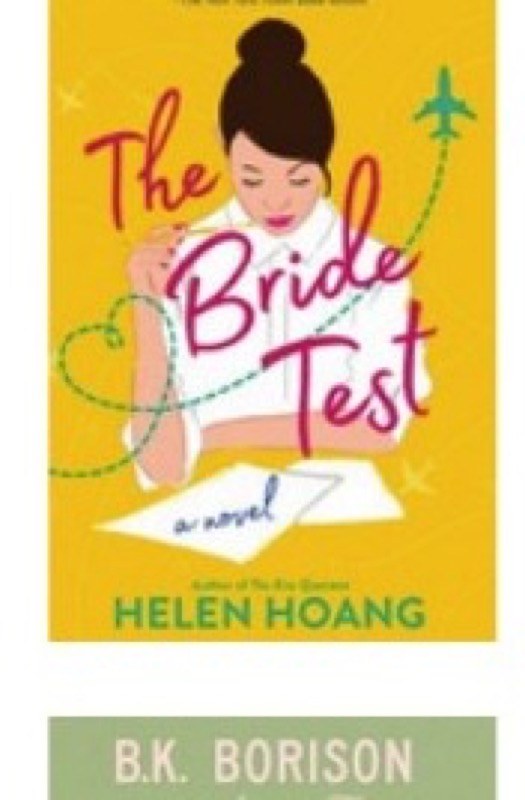
The Bride Test
a novel
Hook & thesis
In The Bride Test, Helen Hoang weaves a compelling narrative that explores the intricate dance of love and identity against the backdrop of cultural expectations. At its core, the novel grapples with the tension between autonomy and obligation, revealing how desire can flourish in the unlikeliest of circumstances. Verdict: This novel deftly constructs a narrative where vulnerability and strength coexist, making it a poignant exploration of the heart’s capacity for growth amidst adversity.
The contextual pivot
Nestled within the enemies-to-lovers subgenre, The Bride Test extends beyond typical romantic tropes to examine deeper societal and personal conflicts. Hoang, already known for her rich portrayals of neurodivergent characters — as seen in her debut, The Kiss Quotient — continues to challenge conventions by placing an autistic protagonist in a complex emotional landscape. This book targets readers who appreciate a nuanced approach to romance, bridging the gap between niche and mainstream audiences through its authentic representation and emotional depth. It resonates with those who seek a balance between heartfelt storytelling and the exploration of identity.
Deep-dive critique
Hoang’s craftsmanship shines through her adept use of dual perspectives, giving readers an intimate look into the thoughts and feelings of both protagonists, Khai and Esme. This choice not only enhances emotional investment but also skillfully illustrates their contrasting backgrounds and experiences. The pacing, marked by a steady buildup of tension, allows the romance to unfold organically, creating a sense of urgency without feeling forced. Hoang’s prose is both lyrical and precise, capturing the complexity of sensory experiences that resonate with Khai’s character, while the dialogue remains sharp and engaging, reflecting the cultural nuances at play.
However, while the thematic exploration of cultural identity and the pressure of familial expectations is rich, certain moments feel slightly rushed, particularly in character development. Esme’s journey from a seemingly passive character to someone who asserts her desires could benefit from deeper exploration. The resolution, while satisfying, may appear too neat given the complexities introduced earlier in the narrative, leaving some threads under-explored.
Discussion launchpad
The Bride Test invites conversation not just about its romantic elements but also about the complexities of representation and identity. The juxtaposition of cultural expectations against personal aspirations provides fertile ground for debate.
Questions for the room:
- How effectively does Hoang balance the romance with the exploration of cultural identity?
- In what ways do you think the portrayal of autism in the novel challenges or reinforces stereotypes?
- Does the resolution of Khai and Esme’s relationship feel authentic given their character arcs?
- What role does family play in shaping the characters’ decisions, and is this theme adequately addressed?
- How does the dual perspective enhance or detract from your understanding of the characters?
#TheOrchidRoom #enemiestolovers #darkromance #literaryanalysis #darkheartlabs