
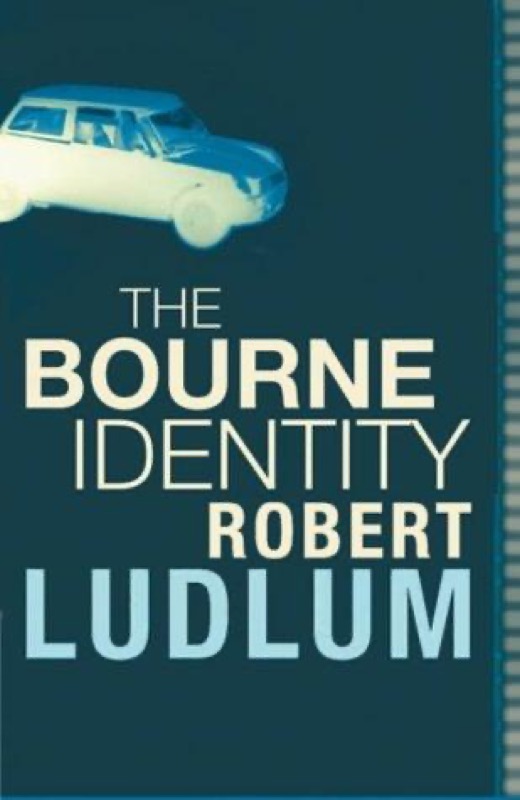
The Bourne Identity (Jason Bourne, #1)
Jason Bourne Series
Hook & thesis
The Bourne Identity by Robert Ludlum serves as a chilling exploration of identity and the loss of self amid the cold machinations of espionage — a place where the human soul is often collateral damage. Verdict: This novel is a masterclass in psychological tension that strips away the veneer of heroism to reveal a dark, fragmented psyche struggling for coherence in a world devoid of moral clarity.
The contextual pivot
As a seminal entry in the dark-thriller genre, The Bourne Identity not only establishes the gritty foundations of espionage but also pushes the boundaries of character-driven narratives. Ludlum’s work stands shoulder-to-shoulder with authors like John le Carré and Frederick Forsyth, yet it delves deeper into the psychological ramifications of a fractured identity. The invisible audience includes both thriller aficionados seeking adrenaline-fueled plots and general readers drawn to complex character studies. This bridging of niche tropes with broader themes of self and memory makes the text accessible without sacrificing its darker undertones.
Deep-dive critique
Ludlum’s intricate structure, characterized by a non-linear timeline, effectively mimics Bourne’s disorientation, pulling readers into a whirlpool of fragmented memories and shifting realities. The pacing, at times frenetic, serves to heighten the suspense but occasionally teeters into chaotic territory, risking reader engagement. The use of third-person omniscient POV allows the narrative to flit between Bourne’s turmoil and the machinations of his adversaries, creating a rich tapestry of tension, yet it can also dilute personal intimacy with the protagonist’s struggle.
The prose, while not overly ornate, is efficient and sharp, capturing the visceral nature of Bourne’s encounters with clarity and urgency. Dialogue, often laden with subtext, reveals the moral ambiguity of allies and enemies alike, enhancing character depth. However, the supporting cast occasionally falters into caricature, undermining the nuanced portrayal of Bourne’s internal conflict. The ending, though satisfying in terms of plot resolution, raises questions about the permanence of Bourne’s identity — an earned conclusion that resonates with the overarching theme of self-doubt and reconstruction.
Discussion launchpad
The exploration of identity in The Bourne Identity raises significant questions about the nature of self and the impact of trauma on memory. The tension between action-driven narrative and psychological depth can spark a lively debate among readers.
- Questions for the room:
- How does Ludlum’s portrayal of Bourne challenge traditional hero archetypes?
- In what ways does the non-linear structure enhance or detract from the story?
- Are the supporting characters fully realized, or do they serve merely as plot devices?
- How does the theme of lost identity resonate with contemporary societal issues?
- Does the ending provide a true resolution, or does it leave us questioning the nature of self?
#LiteraryAnalysis #GothicEdge
#darkthriller #espionage #mystery #TheOrchidRoom #darkheartlabs