
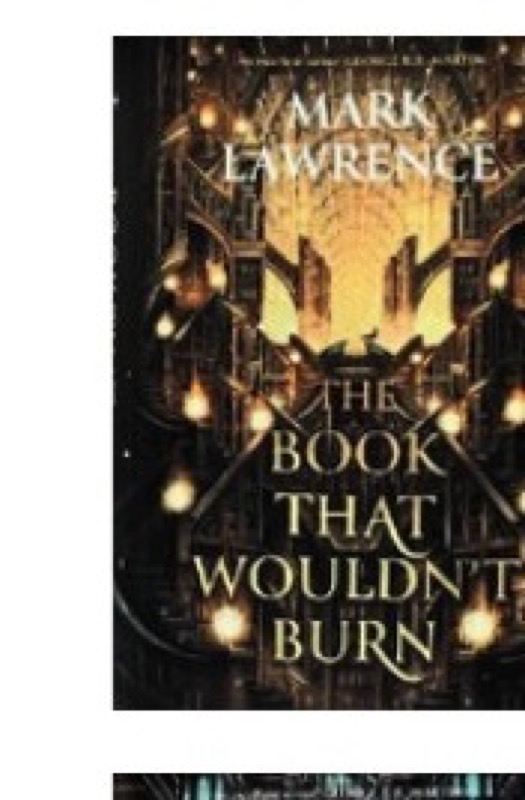
The Book That Wouldn't Burn
Hook & thesis
In Mark Lawrence’s The Book That Wouldn’t Burn, the narrative unfurls a tapestry of existential dread intertwined with the fervent desire for knowledge and connection. Verdict: This novel expertly navigates the gothic corridors of longing and the terrifying thirst for understanding, earning its place as a poignant exploration of the human condition.
The contextual pivot
Nestled within the fantasy-romance genre, Lawrence’s work stands apart, marking a departure from traditional tropes of escapism to delve into the weighty themes of identity and existential inquiry. His previous endeavors, often steeped in dark fantasy, lay the groundwork for this exploration, which merges the allure of romantic connection with the sinister shadows of knowledge and consequence. The invisible audience here seems to be those who appreciate a labyrinthine narrative that probes the depths of desire and despair, appealing to both genre enthusiasts and general readers alike. This blend of intellectual and emotional stakes invites broader discourse on the nature of love and the sacrifices made for wisdom.
Deep-dive critique
From the outset, Lawrence’s choice of a non-linear structure allows for a reflective pacing that echoes the very act of seeking knowledge; it’s not a straight path, but a winding journey filled with revelations and setbacks. The duality of narrative perspective — alternating between an omniscient stance and intimate character insights — heightens the tension and enhances thematic depth. Characters are not merely vessels of romantic tension; they are haunted by their pasts, representing the complex interplay between desire and the fear of the unknown.
The prose is rich and evocative, with a poetic quality that elevates the mundane to the extraordinary, especially in scenes depicting the library — a character in its own right. Dialogue crackles with the tension of unspoken truths and hidden motives, compelling the reader to sift through layers of meaning. However, at times, the density of the prose can obscure clarity, potentially alienating readers who prefer a more straightforward narrative.
As the story progresses, the theme of violence emerges not merely as a plot device but as a critique of the cost of knowledge and the lengths to which individuals will go to grasp understanding. The ending, while evocative and haunting, leaves several threads tantalizingly unresolved, which may frustrate some readers yet simultaneously invites deeper contemplation on the nature of closure and the cycles of desire.
Discussion launchpad
The interplay of desire and existential dread creates polarizing views on the effectiveness of Lawrence’s narrative choices. Some may argue that the complex structure enriches the experience, while others could see it as a barrier to engagement.
Questions for the room:
- How does the narrative structure enhance or detract from your engagement with the characters?
- In what ways does the exploration of knowledge as both a gift and a curse resonate with contemporary issues?
- Do unresolved endings heighten the thematic significance, or do they frustrate your reading experience?
- How effective is the romantic tension in driving the plot forward?
- What does this book reveal about the relationship between violence and the pursuit of knowledge?
#TheOrchidRoom #fantasyromance #romantasy #darkromance #literaryanalysis